What is Recycled Fabric Ducting Made of?
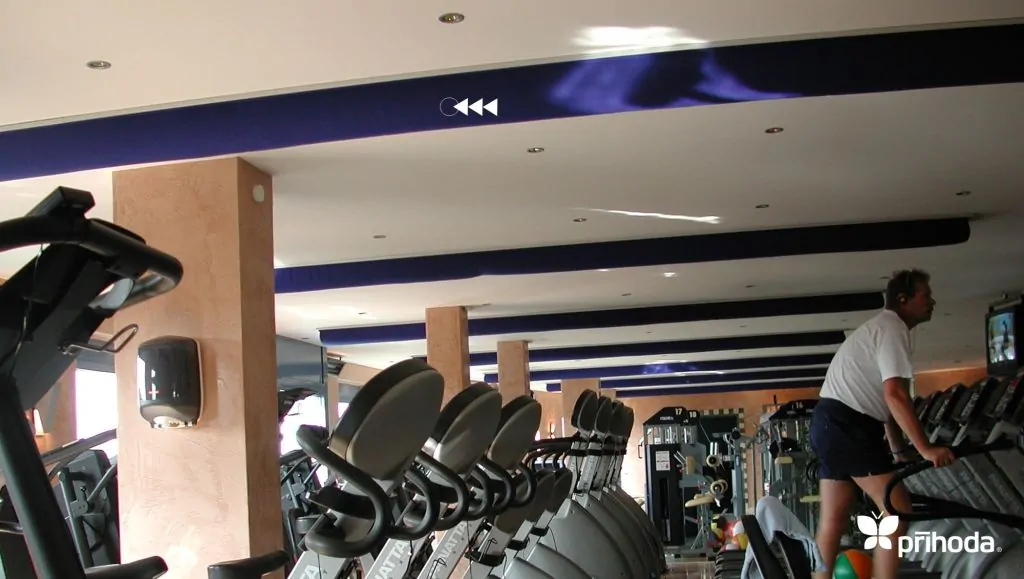
Fabric ducting has become a familiar solution in commercial ventilation and industrial ventilation alike, particularly where even air distribution and lightweight installation are important. Recycled fabric ducting follows the same principles, but the materials used to create it come from a different starting point. Understanding how it is made and how it performs in real environments helps clarify whether it is suitable for long term use.
What is recycled fabric ducting made from?
Recycled fabric ducting is typically produced using polyester fibres that originate from reclaimed plastic. A common source is used plastic bottles, which are collected, sorted, and cleaned before being processed into small flakes.
These flakes are melted down and spun into fibres, which are then turned into yarn. From there, the yarn is woven or knitted into fabric that can be used for ducting. Although the origin of the material is different, the structure of the finished fabric is similar to standard polyester ducting.
The way the fabric is constructed plays an important role in how it performs. Some designs allow air to pass through the material itself, while others include small, carefully positioned openings that direct airflow. In practice, this means the duct can be tailored to suit heating, cooling, or general ventilation needs without changing the underlying material.
Is recycled fabric ducting strong?
Strength is often one of the first concerns when recycled materials are involved. In real use, recycled polyester fibres are engineered to meet similar performance requirements to those made from new materials.
The fabric is designed to handle continuous airflow, changes in temperature, and the physical demands of installation. It also needs to maintain its shape when suspended over long distances.
In warehouse or commercial environments, this translates into a material that performs reliably under normal operating conditions. While no material is suitable for every setting, recycled fabric ducting is generally capable of meeting the demands of many indoor ventilation systems when specified correctly.
How long does the material last?
The lifespan of recycled fabric ducting depends on how it is used and maintained. In typical environments, the material is designed to provide long term performance comparable to standard fabric ducting.
One practical advantage is that the ducting can often be removed and cleaned. Over time, dust and airborne particles can build up on any ventilation system. Being able to wash the fabric helps maintain airflow and extends the usable life of the material.
Regular inspection also plays a role. Checking for wear, damage, or changes in performance allows issues to be addressed early. In many cases, with appropriate care, the material can remain effective for years.
What are the environmental benefits?
The main environmental benefit of recycled fabric ducting lies in its raw material source. By using recycled polyester, the need for new plastic production is reduced. This helps lower the demand for virgin resources and makes use of materials that might otherwise become waste.
In practical terms, this does not change how the ducting is installed or operated. The system functions in the same way as traditional fabric ducting, but the manufacturing process has a different impact.
For businesses looking to make more considered material choices or reduce their carbon footprint, recycled fabric ducting can form part of a broader approach to reducing environmental impact without changing day to day operations.
Visit the Prihoda UK Ltd website for more information on What is Recycled Fabric Ducting Made of?
ENQUIRY FORM