Winter Gravel Maintenance: Simple Tips to Keep Your Garden Looking Sharp
Decorative gravel is one of the easiest landscaping materials to maintain, but winter can still cause problems. Rain, frost and regular footfall can shift stones, create low spots, and contribute to drainage or weed issues. With a little seasonal upkeep, you can keep gravel paths, borders and driveways looking neat, working properly and ready for spring.
Here are practical steps for maintaining gravel surfaces during winter, along with options available from Mainland Aggregates.
1. Rake and re-level gravel areas
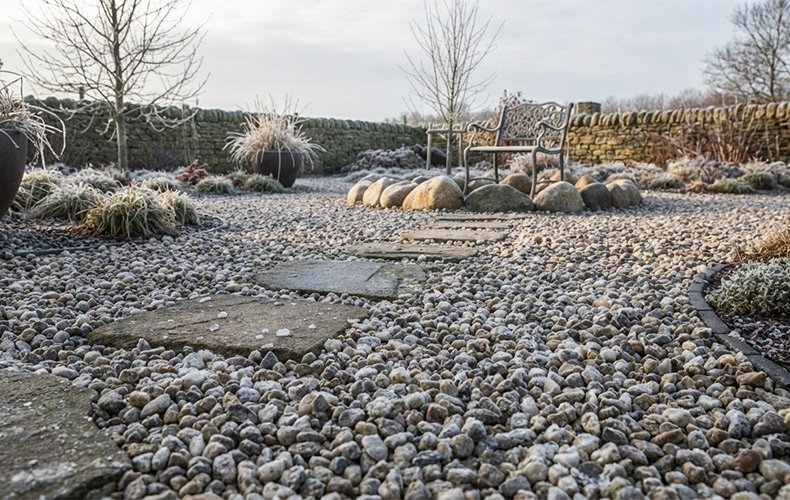
Cold weather can cause gravel to move, compact or clump together. Raking helps redistribute the stones into an even layer, improving appearance and reducing the chance of dips becoming waterlogged. A wide-toothed landscaping rake works well for paths, driveways and decorative garden areas.
2. Top up thin or patchy sections
Once you have raked the surface, check for areas where the base layer is showing through. Thin patches can lead to puddles and longer-term damage if left untreated. Topping up with matching gravel restores coverage and helps maintain consistent drainage.
Mainland Aggregates stocks a wide range of decorative aggregates to suit most existing installations, including:
-
golden gravel
-
blue slate chippings
-
Cotswold chippings
-
pebbles and cobbles
Ordering a small top-up during winter can prevent bigger repairs in spring.
3. Clear leaves and winter debris
Leaves, twigs and general garden waste can build up on gravel and, if left, will break down into mulch. This traps moisture and encourages weeds. A quick sweep with a stiff brush or a pass with a leaf blower keeps gravel cleaner, supports drainage and stops organic matter working its way into the stones.
4. Check drainage and edging
Standing water is a common winter issue on gravel driveways and paths. If puddles are forming, the surface may need re-levelling or topping up. It is also worth checking:
-
the gravel sits slightly above the surrounding ground level
-
edging (timber, metal or stone) is still secure
-
water is running off rather than collecting
Dealing with these points now can help avoid larger problems when spring rain arrives.
5. Control weeds before they return
Weed growth slows in winter, but it rarely stops completely. A preventative approach is usually best:
-
install or repair a weed membrane under new gravel
-
add fresh aggregate to block light reaching the soil
-
spot-treat early growth before roots become established
Keeping the surface tidy now saves time and effort later.
6. Plan improvements for spring
Winter is a good time to review your outdoor space and plan upgrades. If you want to extend a gravel path, refresh a driveway or add decorative areas around borders and planting beds, it can be helpful to choose materials early rather than leaving it until the weather improves.
Planning ahead often means smoother ordering, delivery and installation when spring arrives.
Final thought
Winter gravel maintenance does not need to be difficult or time-consuming. A quick rake, clearing debris and topping up where needed will keep your garden surfaces looking sharp and ready for spring. For decorative gravel, slate, cobbles and driveway aggregates delivered nationwide, explore the full range online today.
Visit the Mainland Aggregates Ltd website for more information on Winter Gravel Maintenance: Simple Tips to Keep Your Garden Looking Sharp
ENQUIRY FORM