What Are Aggregates Used for Around the Home?
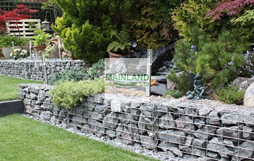
Aggregates are commonly used around the home for driveways, patios, paving, garden paths, shed bases, garden office bases and decorative landscaping.
They help create strong foundations, stable surfaces, effective drainage and attractive garden finishes. The right aggregate will depend on whether the project needs to prioritise strength, compaction, water movement, levelling or appearance.
For most domestic projects, aggregates fall into three main groups:
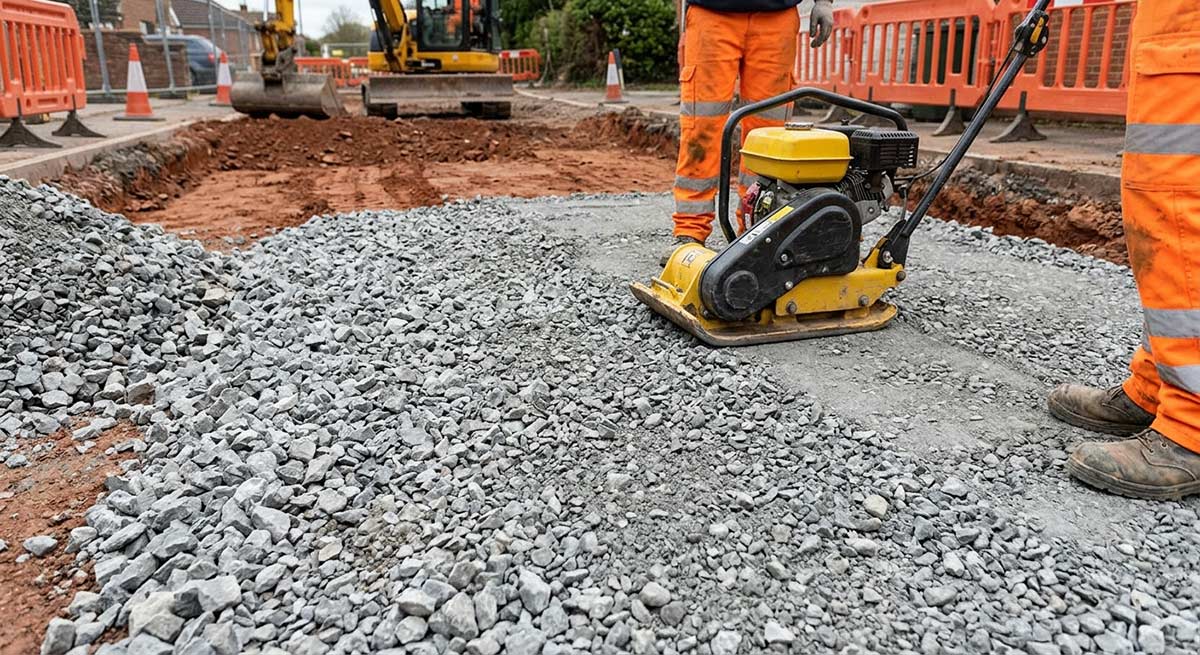
- Structural aggregates, such as MOT Type 1 and crushed concrete
- Bedding and mixing aggregates, such as sharp sand and ballast
- Decorative aggregates, such as gravel, slate chippings, Cotswold stone and granite chippings
What aggregates are used for driveways?
Driveways usually use MOT Type 1 as a compacted sub-base, with 20mm gravel, limestone chippings, granite chippings or Cotswold stone forming the visible surface.
The sub-base gives the driveway its strength, while the top layer provides the finished appearance and helps with drainage. For areas used by cars, the surface aggregate should be hard-wearing and large enough to remain reasonably stable beneath vehicle tyres.
Common driveway aggregates include:
- MOT Type 1: Crushed stone with fine particles that compacts into a firm structural sub-base
- Crushed concrete: Recycled crushed material that is practical rather than decorative
- 20mm gravel or shingle: General-purpose driveway gravel with a natural mixed-stone appearance
- Limestone chippings: Angular crushed stone, often available in grey, white or buff
- Granite chippings: Hard decorative chippings available in colours such as grey, black, silver or pink
- 20mm York Cream Chippings: Pale cream or buff stone offering a traditional driveway finish
What aggregates are used for patios and paving?
Patios and paved areas usually require MOT Type 1 for the sub-base, followed by sharp sand or grit sand as a bedding or levelling layer.
Even when the finished surface consists of paving slabs, sandstone or block paving, the aggregate layers beneath are what help keep the area stable. A poorly prepared base can result in movement, dips, uneven slabs and drainage problems.
Common materials include:
- MOT Type 1: Compactable crushed stone used beneath patios and paving
- Sharp sand or grit sand: Coarse sand used for bedding and levelling
- Ballast: A mixture of sand and gravel, mainly used for making concrete
- Crushed concrete: A recycled and budget-friendly sub-base material
- Joint-filling aggregate: Fine crushed stone brushed into paving joints to create a durable, water-permeable finish
What aggregates are used for garden paths?
Garden paths commonly use 10mm gravel, 20mm shingle, slate chippings, Cotswold stone or self-binding gravel.
For lightly used paths, decorative gravel may be sufficient when installed correctly. Busier routes used for bins, shed access or wheelbarrows will usually benefit from a compacted sub-base to prevent sinking, spreading and uneven surfaces.
Suitable options include:
- 10mm gravel or pea shingle: Smaller stones with a neat, softer appearance underfoot
- 20mm gravel or shingle: Larger gravel offering greater stability for general path use
- Slate chippings: Flat decorative pieces, commonly available in blue, plum, green or grey
- Cotswold stone: Pale cream or buff stone suited to traditional gardens
- Self-binding gravel: Fine aggregate that compacts into a firmer, natural-looking surface
- MOT Type 1: Used beneath paths where extra stability is required
What aggregates are used for shed and garden office bases?
Shed and garden office bases commonly use MOT Type 1, crushed concrete, sharp sand, ballast or 20mm gravel, depending on the type of base and the size and weight of the structure.
The aggregate layer creates a level and stable foundation beneath paving slabs, timber frames, gravel grids, concrete pads and other base systems.
A larger garden office will require more strength and preparation than a small garden shed.
Common choices include:
- MOT Type 1: A compactable material ideal for creating a firm base
- Crushed concrete: A recycled sub-base suitable for larger areas
- Sharp sand: Used for levelling slabs and creating bedding layers
- Ballast: Used when mixing concrete
- 20mm gravel: Often used with gravel grids or as a drainage layer
What decorative aggregates are used in gardens?
Popular decorative aggregates include slate chippings, Cotswold stone, pea gravel, granite chippings, limestone chippings and decorative gravel.
These materials are used where appearance is just as important as function. They can provide stability, drainage and visual appeal in borders, front gardens, seating areas, paths, planters and low-maintenance landscaping schemes.
Common decorative options include:
- Slate chippings: Flat, angular pieces in blue, plum, green and grey tones
- Cotswold stone: Warm cream, buff and honey shades suited to traditional gardens
- Gravel or shingle: Small rounded stones with a softer and more informal appearance
- Granite chippings: Hard angular stone with modern grey, black, silver or pink finishes
- Limestone chippings: Practical and decorative angular stone, often available in grey, white or buff
- 10mm gravel: Suitable for borders, pots, paths and smaller decorative spaces
- 20mm gravel: Ideal for borders, front gardens and general landscaping
How do you choose the right aggregate?
The correct aggregate depends on the job.
MOT Type 1 is used for strength, sharp sand for bedding, ballast for concrete, gravel for drainage and decorative stone for appearance.
The easiest way to avoid mistakes is to consider the layer you are creating. A hidden base layer needs strength and compaction. A bedding layer needs to be level and workable. A visible surface needs to look attractive, drain effectively and withstand the expected amount of foot or vehicle traffic.
As a general guide:
- Use MOT Type 1 for compacted sub-bases
- Use sharp sand for bedding and levelling paving
- Use ballast for concrete mixes
- Use 20mm gravel or shingle for driveways, drainage and general landscaping
- Use 10mm gravel or shingle for lighter paths and decorative areas
- Use slate, granite, limestone or Cotswold stone for decorative finishes
- Use crushed concrete for practical, budget-conscious sub-bases
- Use self-binding gravel for firmer, natural-looking paths
Frequently asked questions
What is the most useful aggregate for home projects?
MOT Type 1 is one of the most useful aggregates for domestic projects because it creates a strong, compacted base. It is commonly used beneath patios, driveways, paths and shed bases.
For visible garden areas, decorative gravel, slate chippings and Cotswold stone are more suitable.
Is gravel the same as aggregate?
Gravel is a type of aggregate, but not all aggregates are gravel.
Aggregates can include sand, ballast, crushed stone, shingle, limestone, granite, slate chippings and recycled sub-base materials.
What is the best aggregate for a driveway?
A typical driveway build-up uses MOT Type 1 beneath the surface, with 20mm gravel, limestone chippings or granite chippings on top.
The sub-base provides strength, while the surface aggregate creates the finished appearance and supports drainage.
What aggregate should be used beneath paving slabs?
MOT Type 1 is commonly used as the sub-base beneath paving slabs, with sharp sand or grit sand forming the bedding layer.
This helps create a stable, level surface and reduces the risk of movement after installation.
What is the best aggregate for a low-maintenance garden?
Slate chippings, Cotswold stone, pea gravel and decorative gravel are popular choices for low-maintenance gardens.
They can cover bare soil, reduce muddy areas and create a cleaner finish, particularly when installed over a suitable weed-control membrane.
Visit the Mainland Aggregates Ltd website for more information on What Are Aggregates Used for Around the Home?
ENQUIRY FORM