Do I Need to Use a Sub-Base for My Landscaping Project?
When embarking on a landscaping project, one of the most crucial—yet often overlooked—elements is the sub-base. At Mainland Aggregates, we’re frequently asked: “Is a sub-base really necessary?” In most cases, the answer is a definite yes. A properly prepared sub-base is essential for creating a stable, long-lasting surface, whether you’re laying paving, a driveway, gravel paths, patios or even artificial grass.
What Is a Sub-Base?
A sub-base is a layer of crushed stone or aggregates placed beneath the final surface material. Its primary function is to provide strength, stability and effective drainage. Without a solid sub-base, surfaces are far more likely to shift, crack or sink over time.
Common materials used for sub-bases include:
-
Type 1 MOT – Crushed granite or limestone, ideal for driveways and high-traffic areas
-
Type 3 Sub-Base – A free-draining version of Type 1, perfect for permeable paving systems
-
Type 1 Recycled – A sustainable, budget-friendly alternative made from crushed concrete
All of these are available from Mainland Aggregates.
Why Is a Sub-Base So Important?
Stability and Strength
A sub-base helps spread the weight of traffic—be it footfall, bicycles or vehicles—across the ground. Without it, the surface above will soon shift or show signs of wear.
Drainage
A good sub-base promotes drainage, helping prevent water from pooling and reducing the risk of frost damage. This is especially important in the UK, where wet weather is common.
Longevity
Even the highest quality materials will degrade quickly without a solid foundation. Investing in a sub-base helps you avoid costly repairs and ensures your finished surface lasts far longer.
Does Every Landscaping Project Require a Sub-Base?
While most projects benefit from one, smaller, low-impact jobs might get by without a full sub-base. Here’s a quick guide:
-
Paving slabs and patios – Always use a compacted sub-base such as Type 1 MOT
-
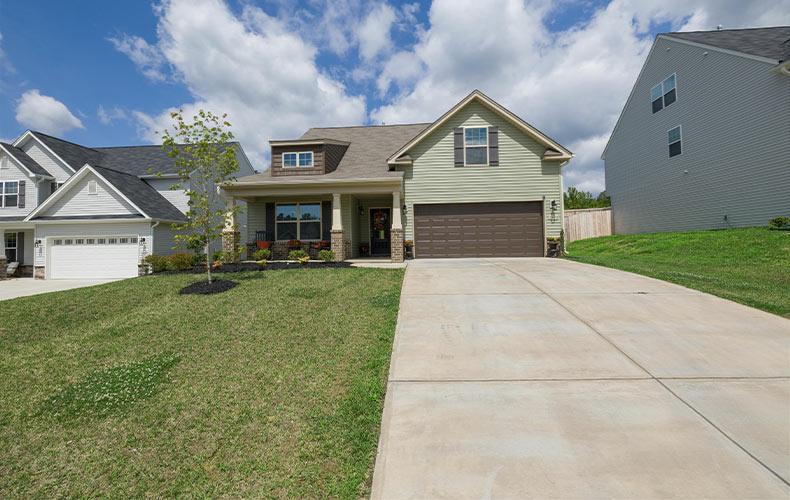
Driveways – Gravel, block paving or resin-bound surfaces need a deep sub-base to cope with vehicles
-
Paths and walkways – A thinner sub-base might be acceptable, but one is still recommended
-
Artificial grass – Requires a stable, free-draining sub-base to prevent sinking and waterlogging
-
Garden borders – For decorative gravel around plants, a weed membrane and light preparation may suffice
If you want your landscaping project to remain strong, safe and visually appealing for years to come, don’t overlook the sub-base. It’s the foundation everything else depends on.
Visit the Mainland Aggregates Ltd website for more information on Do I Need to Use a Sub-Base for My Landscaping Project?
ENQUIRY FORM