Do Cotswold Chippings Turn Green?
Cotswold chippings are one of the most popular choices for UK gardens thanks to their warm, creamy tones. One question we’re often asked at Mainland Aggregates is whether Cotswold chippings turn green over time.
The short answer is no — the stone itself doesn’t turn green. However, surface conditions can sometimes make it look that way.
Why might Cotswold chippings look green?
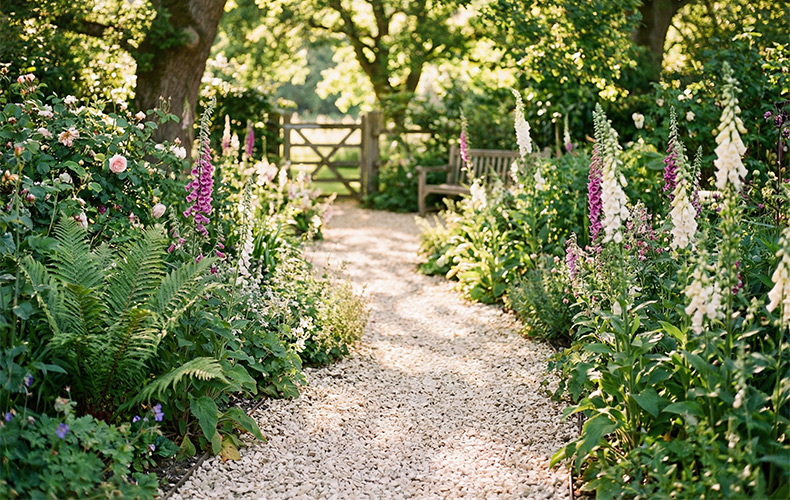
Cotswold stone is a natural limestone, with colour ranging from pale cream to a honeyed beige. Limestone doesn’t naturally change to green, but environmental factors can affect the surface appearance.
A green tint is usually caused by surface growth or staining, most commonly:
-
algae
-
moss
-
organic debris breaking down on the surface
-
persistently damp or shaded conditions
If an area has poor drainage or limited sunlight, moisture sits on the stones for longer. That creates the ideal environment for algae to develop, which can give decorative chippings a greenish cast.
Is this a problem with the stone?
No. This isn’t unique to Cotswold chippings — any light-coloured decorative gravel or chippings can show algae more clearly than darker aggregates. In fact, the lighter the stone, the more noticeable any surface growth tends to be.
What matters most is the setting, including the location (north-facing areas are more prone), drainage, levels of shade, and nearby trees dropping leaves and organic matter. When installed properly with a suitable sub-base and membrane, Cotswold chippings remain stable and low maintenance.
How to prevent green discolouration
A few simple steps will help keep your gravel looking fresh.
Improve drainage
Make sure the sub-base allows water to drain freely. Standing water encourages algae growth.
Keep on top of light maintenance
Occasional raking removes leaves and debris before they break down and stain the surface.
Increase light and airflow where you can
Cut back overhanging plants and shrubs to reduce shade and help the area dry out more quickly.
Clean occasionally
A rinse with a hose, or a gentle pressure wash, can lift surface algae. For stubborn patches, use a limestone-safe cleaner and follow the product guidance carefully.
Do they stay cream-coloured long term?
Yes. With correct installation and light upkeep, Cotswold chippings retain their natural cream tones for many years. Like all natural aggregates, they will weather slightly over time — often in a way that softens the colour and helps it blend more naturally into the garden.
The bottom line
Cotswold chippings don’t chemically turn green. Any green appearance is typically surface algae caused by damp conditions or shade. With good drainage and simple maintenance, they remain one of the most reliable and attractive decorative gravel options for UK gardens.
If you’re planning a driveway, pathway or border, Mainland Aggregates supplies high-quality Cotswold stone in consistent grading to help you achieve a clean, long-lasting finish.
Visit the Mainland Aggregates Ltd website for more information on Do Cotswold Chippings Turn Green?
ENQUIRY FORM