A Quick Guide To Sand in Construction
Sand plays a fundamental role in almost every construction project, but its importance is often underestimated or misunderstood. Whether it is being used for a large commercial development or a smaller domestic job, choosing the right material can have a significant effect on strength, appearance and long-term performance.
Sand is mainly used in mortar mixes, concrete and sub-bases. Understanding how the different types are used, and how they are sourced from quarries, helps ensure each stage of a build is completed correctly.
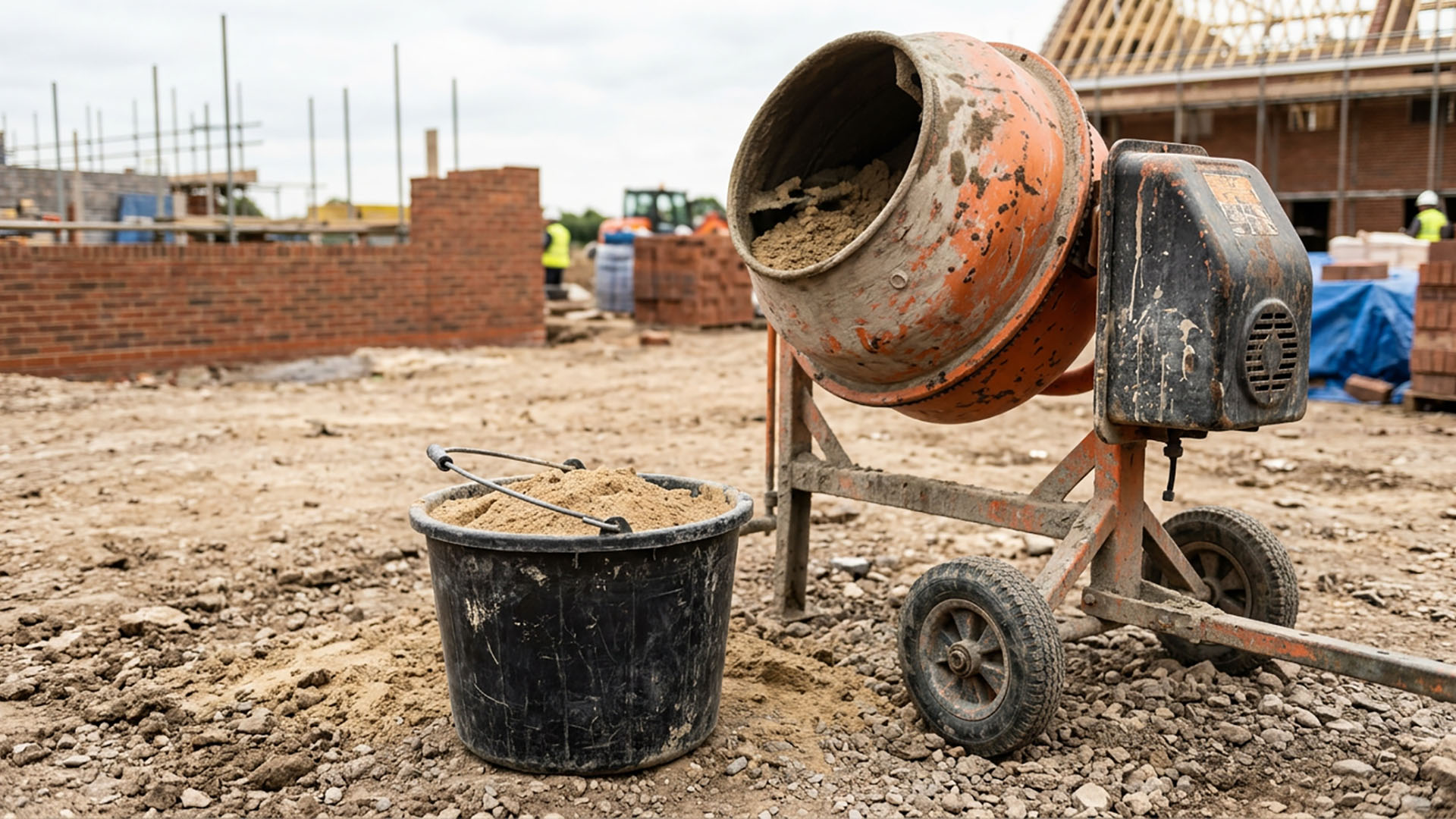
Most construction sand forms part of the wider aggregates category, which also includes gravel and crushed stone. These materials are extracted, processed and graded for specific applications, making them suitable for everything from structural concrete to finishing work.
Building sand: the workhorse
Building sand is one of the most widely used materials in domestic and large-scale construction. Its fine grain, smooth texture and higher clay content make it ideal for creating workable mortar for bricklaying and blockwork.
In domestic projects, building sand is commonly used for:
- Brickwork on house extensions and garden walls
- Pointing, repointing and mortar repairs
- Rendering internal and external walls
On larger construction projects, it is used for:
- Masonry work on housing developments
- Internal blockwork in commercial buildings
- Rendering and finishing across multiple properties or units
Building sand creates a smooth, workable mix that can be applied efficiently on site. This is particularly valuable on larger projects where speed and consistency are important.
Because of its fine particles, it is generally used where the structure itself provides the strength, with the mortar acting as a dependable bonding material.
Sharp sand: the heavy lifter
Where strength and stability are the main priorities, sharp sand is usually the preferred option.
Unlike building sand, sharp sand has coarse, angular grains that form a stronger bond when mixed with cement. This makes it less workable, but better suited to structural and load-bearing applications.
For domestic projects, sharp sand is commonly used for:
- Laying paving slabs and patios
- Creating concrete bases for sheds and extensions
- Floor screeding and cement-based sub-bases
In larger construction environments, it is used for:
- Concrete foundations and structural elements
- Screeds across large floor areas, including warehouses and retail units
- Sub-bases for roads and car parks
Sharp sand also offers good drainage properties, which makes it useful for both domestic landscaping and commercial groundworks. When combined with other aggregates, it helps create a stable base that reduces movement and water retention.
Silica sand: the specialist
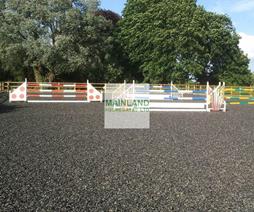
Silica sand is used across several specialist industries, but it is particularly important in modern equestrian arenas and riding surfaces.
Its consistent particle size, durability and drainage properties make it suitable for both professional and domestic equestrian projects.
Common applications include:
- Horse riding arenas and manège surfaces
- Indoor and outdoor equestrian schools
- Gallops and lunging rings
- Turnout and exercise areas where stable footing is essential
The carefully graded particles help create a surface that provides both stability and cushioning, supporting horse welfare and rider performance.
Silica sand is also often combined with equestrian fibres or rubber additives to improve moisture retention, reduce compaction and maintain a more consistent surface throughout the year.
Choosing the right sand for the job
Whether you are working on a small domestic project or a large commercial development, selecting the correct type of sand is essential. Each material has a specific purpose, and using the wrong one can lead to performance problems.
As a simple guide:
- Building sand: Best for mortar, rendering and finishing work
- Sharp sand: Ideal for structural applications, paving and screeding
- Silica sand: Suitable for equestrian surfaces, including arenas and manèges
Many projects require a combination of these materials. For example, a commercial development may use sharp sand in concrete foundations, while building sand is used for blockwork and internal finishes.
Consistency and supply at scale
For an aggregates supplier, consistency of supply is just as important as material quality.
Domestic customers may only need smaller quantities for one-off projects, while commercial clients often rely on regular bulk deliveries to keep sites operating efficiently.
Important considerations include consistent grading between loads, reliable delivery schedules and materials that are suitable for both small and large-scale projects.
Access to high-quality aggregates from a trusted supplier helps ensure domestic and commercial work can continue without unnecessary delays.
Final thoughts
From home improvement projects to major construction developments, sand remains a vital part of the building process.
Understanding the differences between the most commonly used types of sand, and the roles they play within the wider aggregates category, allows for better decision-making both on site and at home.
By choosing the right material from a reliable supplier and matching it to the requirements of the project, contractors and homeowners can achieve stronger, more durable and more consistent results.
Visit the Mainland Aggregates Ltd website for more information on A Quick Guide To Sand in Construction
ENQUIRY FORM