Improving Contractor and Plant Access Control
Construction sites are complex, high-risk environments where multiple contractors, subcontractors and visitors require daily access to vehicles, plant and restricted areas. In this setting, key management should not be seen as just an operational task. Instead, it is a fundamental part of maintaining site safety, security and compliance. Despite this, many sites still rely on outdated systems such as shared cabinets, manual sign-out sheets or unsecured drawers. These approaches create gaps in oversight, making it difficult to track who has accessed what equipment, and when. When key control is lacking, the consequences can be serious. Unauthorised use of machinery, access to restricted zones or delays caused by missing keys can disrupt operations, compromise safety and expose businesses to significant risk. With this in mind, taking a more structured approach to key management is now essential.

Why key control matters on today’s construction sites
The nature of construction work increases the risks associated with poor key control. Sites and workforces are constantly changing, and a wide range of high-value, high-risk assets are in use at any one time. Plant and machinery such as excavators, dumpers and telehandlers requires specific training to operate safely. If keys end up in the hands of people who aren’t qualified to use them, the likelihood of accidents happening grows, putting both operators and those working nearby at risk. When there is no clear record of who accessed a piece of machinery or equipment in the case of something going wrong, businesses can face serious legal and reputational consequences. On construction sites, where hazards are often greater, this lack of visibility can be even more damaging. Further to this, lost or misplaced keys can bring work to a halt, delaying access to essential equipment which in turns creates a knock-on effect across a project’s timeline. In a sector where programmes are tightly managed, these inefficiencies can quickly escalate into lost business and revenue. Finally, from a compliance perspective, the inability to produce an audit trail of key usage leaves site managers exposed. If an incident occurs, gaps in oversight make it difficult to demonstrate due diligence, increasing the risk of enforcement action or claims of negligence.
Building a robust key control approach
To reduce these risks, construction businesses should implement a clear and enforceable key control policy, supported by modern systems.
- Start with a process review – assess how keys are currently stored, accessed and tracked. Identify where gaps exist, whether that’s unrestricted access, poor record keeping or unclear responsibilities.
- Prioritise high-risk equipment – keys linked to heavy plant, fuel stores or restricted areas should be subject to stricter controls. Categorising keys by risk allows you to apply the right level of security.
- Control access by role and competence – access should be aligned with job roles, training and certification. Only authorised and qualified individuals should be able to withdraw keys for specific equipment, with clear procedures in place for reporting issues.
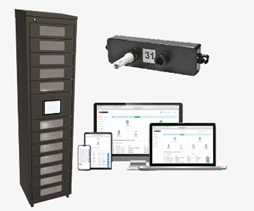
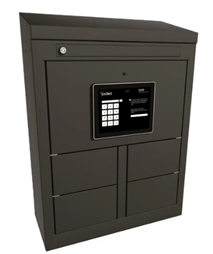
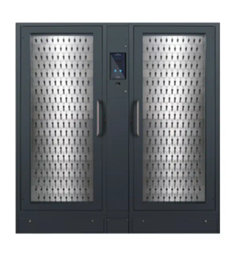
- Introduce electronic key management – electronic systems provide a step change in control. Users must authenticate their identity before accessing keys, ensuring only authorised personnel can use them. Every transaction is recorded in real time, creating a full audit trail of key usage.
- Use data to strengthen oversight – modern systems allow site managers to monitor usage, track overdue keys and identify patterns in behaviour. This improves accountability, supports compliance and reduces time lost searching for assets.
A small change with significant impact for construction
On construction sites, where safety, efficiency and accountability are critical, poor key management introduces unnecessary risk at every level. By implementing a structured key control approach and leveraging modern technology, businesses can take control of who is accessing what equipment and when, reducing the likelihood of incidents and improving day-to-day operations. In an industry where even minor oversights can have serious consequences, effective key management is not just a procedural improvement. It is a vital part of running a safe, compliant and well-managed site. Explore our electronic solutions today to learn more, contact us via telephone on 0121 559 9000, or email us via sales@keytracker.co.uk to get advice from our expert team on the products best suited to your dealership.
Visit the KeyTracker Ltd website for more information on Improving Contractor and Plant Access Control
ENQUIRY FORM