Why Cement Floorboards Are Best for Soundproofing
26/11/2024
Cement floorboards are not only excellent at isolating sound but also incredibly durable. They can withstand heavy foot traffic and last For numerous years without showing signs of wear and tear. This makes them a great investment for any space that requires effective soundproofing and long-term durability.
In this article, we'll explore the various advantages of cement floorboards for soundproofing. We'll as well look at what you need to know before installing them, compare them to other types of flooring, and share tips on how to maximise their soundproofing efficiency. By the end, you'll understand why cement floorboards are the ultimate choice for soundproof floors.

Advantages of Cement Floorboards for Soundproofing
Superior Sound Isolation
Cement floorboards excel at sound isolation. They are dense and heavy, which helps block sound transmission between floors. This makes them well suited to homes, offices, and studios where reducing noise is essential. Unlike lighter materials, including wood, cement effectively absorbs and dampens sound waves, preventing them from passing through.
Installing cement floorboards reduces the noise from footsteps, dropped objects, and moving furniture. These floorboards offer a quiet and serene environment, which is especially helpful in multi-storey buildings where noise from above can be a nuisance. This superior sound isolation means you won't be disturbed by everyday noises, making your room more pleasant and peaceful.
Durability and Longevity
Cement floorboards are known for their durability and longevity. They are strong and resistant to wear and tear, making them appropriate for high-traffic areas. Unlike wood or carpet, cement does not degrade quickly, even under constant use. This makes cement floorboards a long-lasting option, reducing the need for frequent repairs or replacements.
These floorboards are also resistant to damage from moisture and pests, which can be a common challenge with other materials. Their robust nature ensures that they remain intact for many years, providing stable and reliable flooring. Investing in cement floorboards means you can enjoy durable and effective soundproofing for the long term, without worrying about maintenance problems.
Installation Considerations
Easy Installation Steps
Installing cement floorboards can be straightforward if you follow a few simple steps. First, prepare the area by cleaning and levelling the subfloor. This ensures a smooth and stable surface for the cement boards. Next, measure and cut the cement boards to fit the room's dimensions. Use a saw designed for cutting cement to avoid any difficulties.
After cutting, lay the cement boards in place, leaving a small gap between the walls and the boards to allow for expansion. Use a special adhesive to fix the boards to the subfloor, ensuring they are securely attached. Finally, seal the joints with a cement-compatible sealant to prevent any gaps that might allow sound to pass through. Following these steps ensures an successful and professional installation.
Tools and Materials Needed
To install cement floorboards, you will need the right tools and materials. Here is a handy list to get you started:
Cement Floorboards: Choose the right size and thickness for your project.
Measuring Tape: To measure the room dimensions accurately.
Saw: A saw suitable for cutting cement.
Adhesive: A strong adhesive compatible with cement.
Sealant: To seal the joints between boards.
Trowel: For applying adhesive evenly.
Level: To ensure the subfloor and cement boards are perfectly flat.
Safety Gear: Gloves, goggles, and a dust mask to protect yourself while cutting and handling cement boards.
Using the correct tools and materials makes the installation process smoother and helps achieve better results. Ensure you have everything ready before starting to avoid interruptions and ensure a seamless installation.
Cement Floorboards and Other Flooring Options
Cement Floorboards as a Substrate
Cement floorboards are primarily developed to serve as a sturdy and reliable substrate. They are intended to have finishing surfaces including carpet, wooden flooring, or Luxury Vinyl Tile (LVT) installed on top. This versatility allows for a broad selection of aesthetic finishes while benefitting from the strength and durability of cement.
Specifically crafted to replace traditional floor materials, cement floorboards offer an excellent foundation when installed on top of timber or steel joists. Their sturdy nature offers an ideal base for various top-layer materials, ensuring a stable and durable flooring option.
In terms of soundproofing, cement floorboards are denser than wood, making them an excellent choice for reducing noise transmission between floors. Their superior sound isolation capabilities set them apart from wood floorboards, which tend to amplify sound.�
Comparative Benefits of Top Finishes
While wooden floorboards are admired for their visual appeal, cement floorboards shine when noise reduction and safety are priorities. By serving as a strong, versatile base, cement floorboards elevate the performance of the final floor finish chosen, whether that is carpet for cushioning or wood for aesthetic warmth.
Cement floorboards' adaptability and innate advantages ensure they remain a practical, long-lasting foundation for various finishing surfaces, combining the best of both strength and style.
Maximising Soundproofing with Cement Floorboards
Additional Soundproofing Tips
To get the best results from cement floorboards, it's useful to integrate additional soundproofing methods. One successful tip is adding an underlay. Placing an acoustic underlay beneath the finished surface can further reduce sound transmission. This combination addresses both impact noise and airborne noise, creating a quieter space.� Another successful step is to introduce a decoupling layer before installing the cement will help to improve isolation further.
Another tip is sealing any gaps around the edges of the cement floorboards. Use a high-quality sealant to close any gaps where sound might escape. Ensuring a tight fit not only helps with soundproofing but as well contributes to the floor's overall stability and durability.
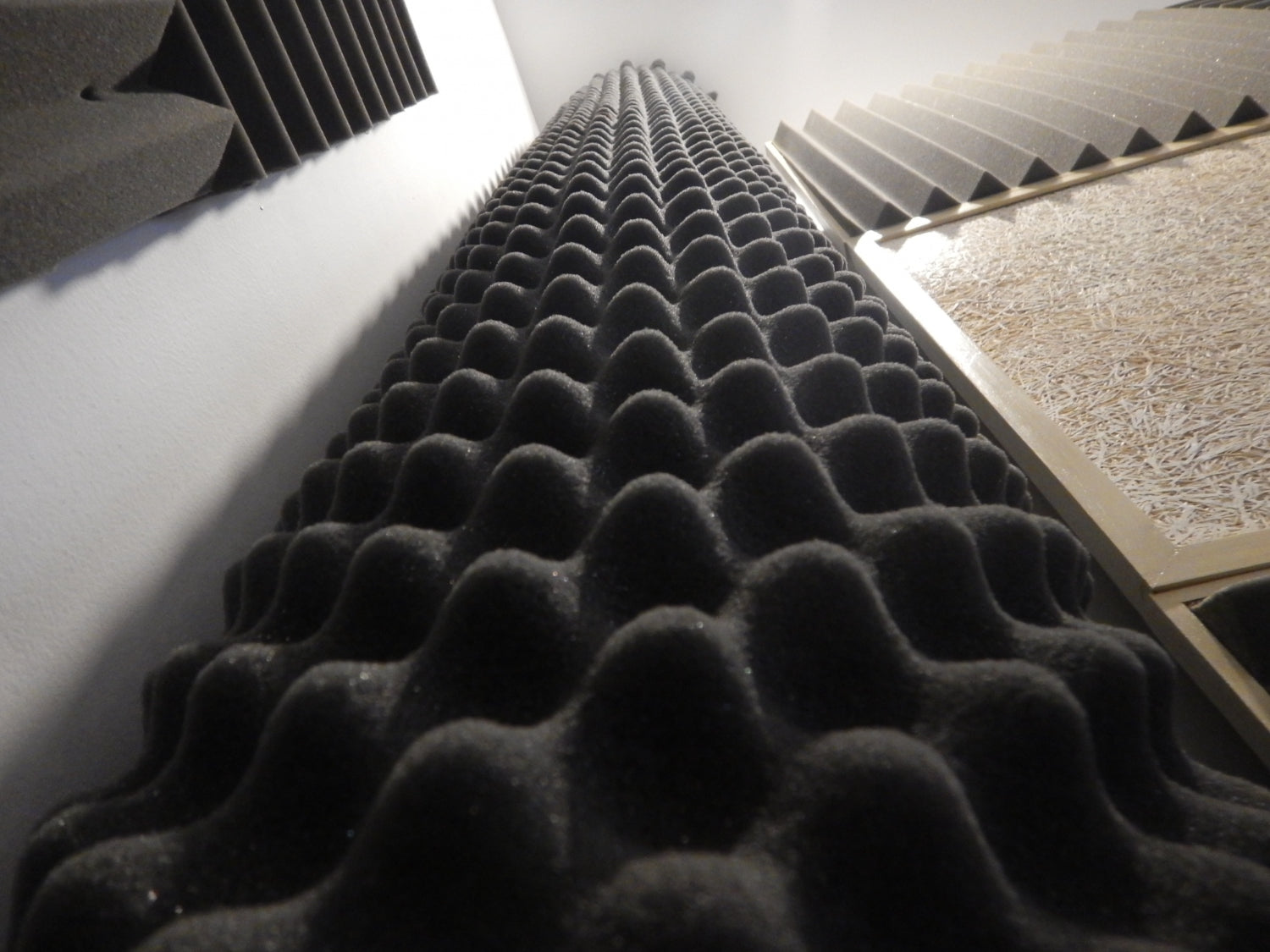
Consider combining cement floorboards with other sound isolation materials such as acoustic foam panels for walls and ceilings. This can enhance the room's overall sound isolation, resulting in a more peaceful environment. These additional measures maximise the advantages of using cement floorboards for soundproofing.
Conclusion
Cement floorboards provide an excellent option for those looking to soundproof their floors. Their superior sound isolation, durability, and ease of maintenance make them a top choice For numerous applications. Regardless of whether you are comparing them to wood or carpet, the advantages of cement floorboards are clear. They offer robust, long-lasting performance and contribute to a quieter and more more comfortable setting.
To maximise the effectiveness of cement floorboards, consider additional soundproofing tips and proper maintenance practices. With these steps, you can check that your room remains peaceful and quiet for years to come.
Ready to transform your flooring with cement floorboards? Explore Advanced Acoustics for all your soundproofing needs. Enhance your room with our expert solutions and enjoy a quieter, more serene environment today!
Previous: Identifying and Fixing Acoustic Panel Installation Mistakes
Visit the Advanced Acoustics Ltd website for more information on Why Cement Floorboards Are Best for Soundproofing
ENQUIRY FORM