Soundproofing Solutions for Noisy Neighbour Problems
20/01/2025
Understanding how noise travels and learning successful soundproofing techniques may allow you to tackle these disturbances. Before rushing into options, it's crucial to recognise the sources and types of noises affecting your room.�
Sometimes, simple fixes can make a significant difference in reducing unwanted sounds. Read on to explore your options and take proactive steps to reclaim your personal sanctuary.
Understanding Noise Issues from Neighbours
Noise disturbances can considerably impact your daily life, and recognising the types of noises you encounter is the starting point towards addressing them. Common noise disturbances include airborne sounds like music, voices, and television, as well as impact noises like footsteps or furniture movements.
These unwanted sounds can considerably disrupt the peace and privacy of your home.
Different materials transmit noise in varied ways. Airborne sounds generally travel through air gaps and are easily transmitted by thin walls, doors, or windows. In contrast, impact noises vibrate through solid structures, making floors and ceilings more problematic. Soundproofing requires understanding these behaviours as it allows you to choose effective options.
Imagine you're in a room with thin walls; you can hear your neighbour's television or conversation clearly. The sound travels as air carries it through gaps or poorly insulated walls. On the other hand, if footsteps from above are your main challenge, that's a structural impact noise caused by vibrations travelling through your building's frame.
Assessing Your Home's Weak Points
Before jumping into soundproofing, it's essential to assess your home's weak points. Identifying where noise seeps in is crucial to addressing the challenge successfully. Many homes have several vulnerable areas, including:
- Thin walls that allow sound penetration easily
- Windows and doors with poor seals
- Gaps and cracks in walls or floors
Begin your assessment by walking through each room and listening for noise entry points. Pay attention to areas near common walls, and note any windows or doors that let sound through.
Simple tests can help identify sound leaks. For example, close all doors and windows in a room and listen carefully for outside noise. Light a candle and hold it near frames or suspected gaps; if the flame flickers, it indicates air�and potentially sound�leakage.
Using these simple methods can successfully pinpoint areas needing treatment. Once you've assessed where the noise enters, you can focus your efforts on sealing gaps, reinforcing walls, or applying sound isolation materials, leading to a quieter and more comfortable living space.
Effective DIY Soundproofing Solutions
Addressing noise problems with simple and cost-successful DIY options is a great starting point. There are several materials and techniques you may use to reduce unwanted sound without spending a fortune. Here's a list of successful DIY soundproofing methods:
- Weatherstripping: Apply weatherstripping around windows and doors to seal gaps that allow noise to enter.
- Door Sweeps: Install door sweeps to block sound from sneaking under doors.
- Thick Curtains: Hang heavy curtains or drapes to absorb sound vibrations and reduce noise transmission.
- Rugs and Carpets: Place rugs or carpets on floors to minimise impact noise.
- Furniture Placement: Move large furniture, including bookshelves or wardrobes, against walls that face noisy neighbours to help reduce sound.
For a step-by-step approach, start by identifying the simplest fixes, like sealing gaps around doors and windows. Measure and cut weatherstripping to fit these areas tightly. Next, attach door sweeps to minimise sound travelling under doors. Consider layering rugs on hard floors to dampen noise from neighbours below. Opt for thick curtains that cover the entire window area for good sound absorption.
Advanced Soundproofing Techniques
When noise problems persist despite DIY efforts, it might be time to consider advanced soundproofing techniques. These solutions involve more investment but offer significant noise reduction. Professional-grade materials can transform your living space into a much quieter haven.
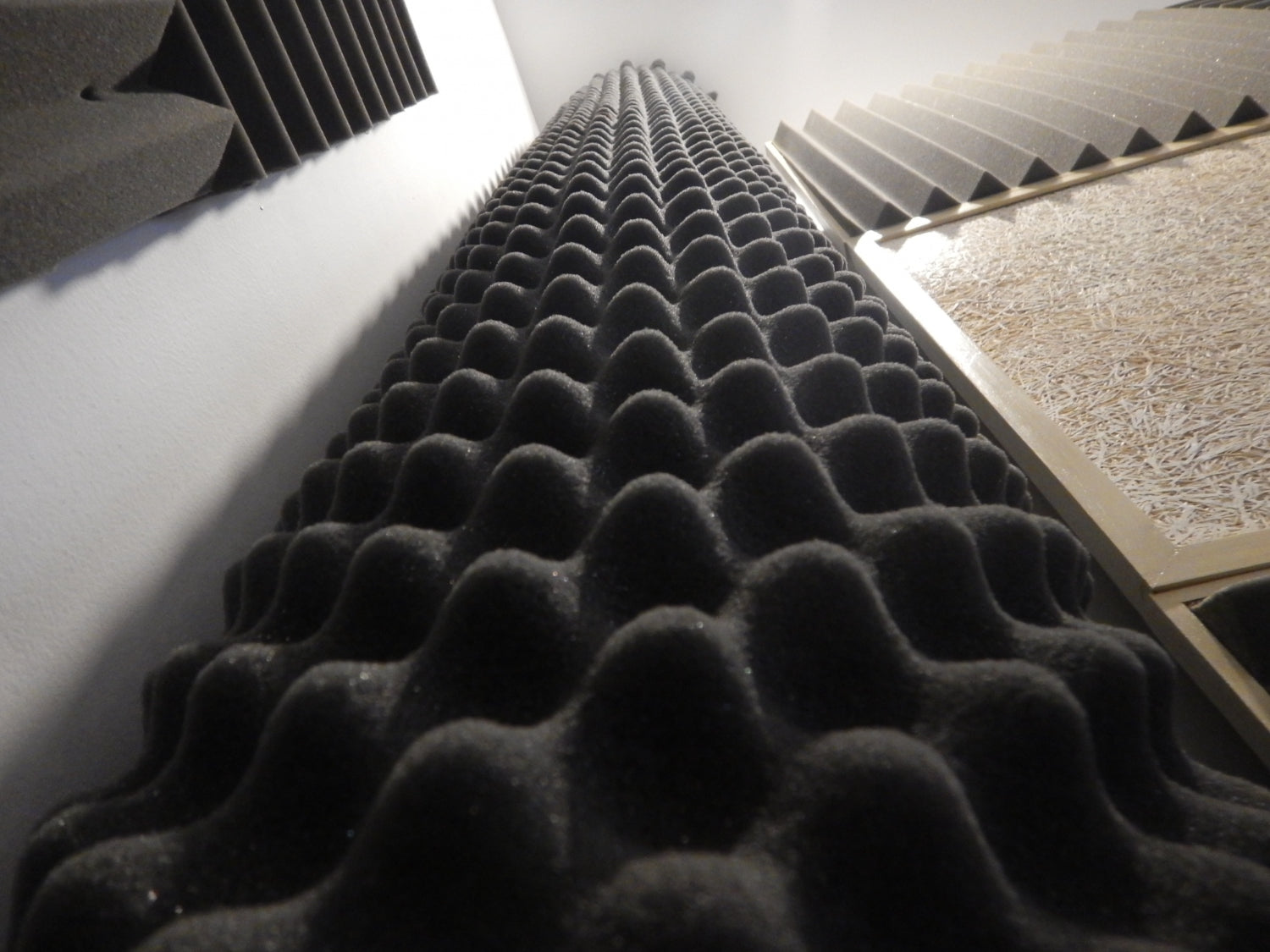
Consider products like sound-absorbing panels, which absorb acoustic waves and minimise echoes. Installing mass-loaded vinyl can successfully block noise due to its dense nature, acting as a sound barrier. You may as well look into resilient channels, which help decouple acoustic waves from structures, reducing transmission through walls.
Deciding when to seek professional help involves evaluating the severity of noise issues and your comfort level with larger projects. Persistent noise problems, including loud stomping or ongoing disturbances, frequently require a more professional touch. Experts can assess your room and recommend tailored solutions for successful noise control.
For severe cases, consult with a soundproofing specialist who can design and install tailored options. Advanced soundproofing might involve upgrading insulation, adding specialised materials, or making structural improvements.
Conclusion
Balancing practicality with effectiveness is key when dealing with noisy neighbours. While simple DIY methods offer immediate relief, advanced techniques offer deeper, long-term options. Assess your personal needs and constraints to determine the best course of action.
Soundproofing enhances your home's comfort by creating a quiet, peaceful environment. With a selection of solutions on offer, you have the power to reduce intrusive noise considerably.�
Elevate your living experience with Advanced Acoustics. Our expertly crafted�sound-absorbing foam products and sound isolation materials cater to various needs, ensuring your home can be peaceful and private. Explore our options today and reclaim the tranquillity you deserve.
Previous: Identifying and Fixing Acoustic Panel Installation Mistakes
Visit the Advanced Acoustics Ltd website for more information on Soundproofing Solutions for Noisy Neighbour Problems
ENQUIRY FORM