Silent Productivity: The Ultimate Office Acoustics Guide for Home Workers
20/08/2024
Office acoustics refers to the way sound behaves in your working space. Good acoustics means that sound is balanced and pleasant, without excessive echoes or ambient noise. Bad acoustics, on the other hand, can lead to a noisy and stressful environment, making it difficult to concentrate or hold virtual meetings.
Improving your office acoustics doesn't have to be complex or expensive. You can transform your noisy home office into a quiet and comfortable workspace by making a few adjustments and adding the right materials.�
So, we'll cover everything you need to know about office acoustics, from the identification of common problems to practical solutions and DIY tips.
With the right knowledge and tools, you can enjoy a more productive and less stressful home office environment.
Understanding Office Acoustics
Office acoustics refers to how sound travels and behaves within your workspace. Good acoustics ensure that sound is balanced, reducing distractions and creating a more pleasant environment. Poor acoustics, on the other hand, lead to excessive noise, echoes, and reverberation, which can disrupt concentration and communication.
Common acoustic issues in home offices include external noises like traffic and neighbours, internal sounds including household activities, and the natural echoes that occur in rooms with hard surfaces.�
These problems can create a cluttered and noisy environment, making it hard to focus on tasks or participate in virtual meetings. Understanding these problems is the starting point towards creating a more successful and quiet home office.
Key Benefits of Improving Office Acoustics
Improving office acoustics offers multiple advantages that can enhance both productivity and well-being:
Increased Productivity: In a quieter environment, you can concentrate better, leading to greater efficiency and output.
Better Communication: Improved acoustics make virtual meetings clearer and more successful, reducing misunderstandings and the need for repetition.
Reduced Stress: A peaceful workspace helps lower stress levels, contributing to better mental health and overall well-being.
Enhanced Work Quality: With fewer distractions, you can maintain a higher level of work quality, ensuring accuracy and attention to detail.
By addressing common acoustic problems, you can transform your home office into an area conducive to focused and uninterrupted work. Reducing background noise and echoes enhances your ability to concentrate, making your workday more productive and less stressful.
Effective Acoustic Solutions for Home Offices
Selecting the right acoustic materials is crucial for creating a quiet and productive home office. Here are some tips to help you choose:
Evaluate Your Needs: Identify the primary sources of noise in your home office. Are you dealing with external noise, or is it internal sounds like echoes and reverberation? Understanding your needs will guide you in selecting the right materials.
Choose Quality Materials: Opt for well-made acoustic products like sound-absorbing foam, soundproof panels, and bass traps. These materials are specifically developed to absorb and dampen sound, improving the overall acoustics of your room.
Consider Aesthetic Appeal: While functionality is key, don't overlook the visual aspect. Choose materials that complement your home office decor. Acoustic materials come in various colours and designs, so you can find options that enhance both form and function.
Practical options for home office acoustics include:
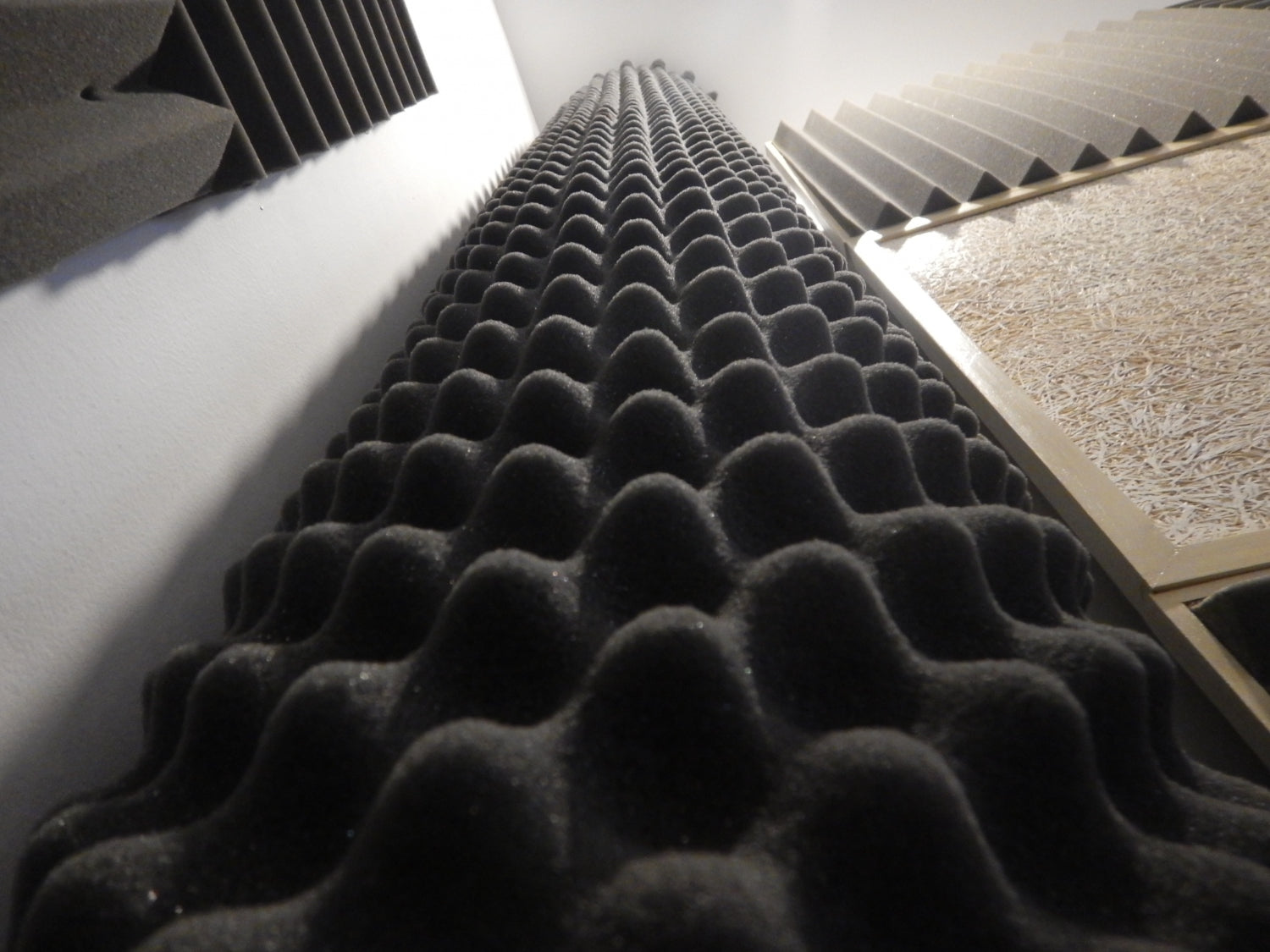
Acoustic Foam: Versatile and straightforward to fit, sound-absorbing foam panels can be placed on walls and ceilings to absorb sound and reduce echoes.
Soundproof Panels: These panels offer an extra layer of sound insulation, successfully blocking noise from entering or leaving your workspace.
Rugs and Curtains: Soft furnishings like rugs and heavy curtains can considerably reduce reflected sound, especially in rooms with hard flooring and large windows.
By carefully selecting and placing these materials, you can create an acoustically balanced and serene home office environment.
DIY Tips for Enhancing Office Acoustics
Improving the acoustics of your home office doesn't have to be complicated. Here are some DIY tips to help you get started:
Position Acoustic Panels: Place sound-absorbing foam panels on walls where reflected sound are most prominent. Common spots include the walls directly behind and in front of your desk, as well as the corners of the room.
Utilise Furniture: Arrange bookshelves, cabinets, and other large furniture pieces strategically to help absorb and block sound. Placing these items against walls can reduce echoes and enhance audio quality.
Add Soft Furnishings: Incorporate rugs, carpets, and upholstered furniture to absorb sound. These items are particularly successful in larger rooms with hard flooring.
Seal Gaps: Check for any gaps around windows and doors. Use weather stripping or acoustic sealant to fill these gaps and prevent sound from leaking in or out.
Maintaining your acoustic options is as well significant for long-term effectiveness:
Regular Cleaning: Dust and vacuum acoustic panels and other soft furnishings to maintain their sound-absorbing properties.
Inspect Adhesives: Periodically check the adhesive on your acoustic panels to ensure they remain securely attached. Reapply adhesive if necessary.
Monitor Wear and Tear: Over time, acoustic materials may wear out. Keep an eye on their condition and replace them as needed to maintain optimal performance.
Discover Acoustic Foam Solutions
Improving office acoustics in your home workspace can make a significant difference in productivity and overall well-being. By addressing common acoustic issues, selecting the right materials, and following easy DIY tips, you can create a quieter, more focused environment that enhances your work quality and reduces stress.
Optimal office acoustics improve sound quality and contribute to a more pleasant and efficient workspace. Regular maintenance ensures that your acoustic options remain effective as time passes, providing continuous advantages.
Ready to transform your home office into a haven of silent productivity? Visit Advanced Acoustics to explore our range of well-made acoustic foam products and sound isolation materials. Let us help you create the perfect workplace setting today!
Previous: Identifying and Fixing Acoustic Panel Installation Mistakes
Visit the Advanced Acoustics Ltd website for more information on Silent Productivity: The Ultimate Office Acoustics Guide for Home Workers
ENQUIRY FORM