Identifying and Fixing Acoustic Panel Installation Mistakes
18/11/2025
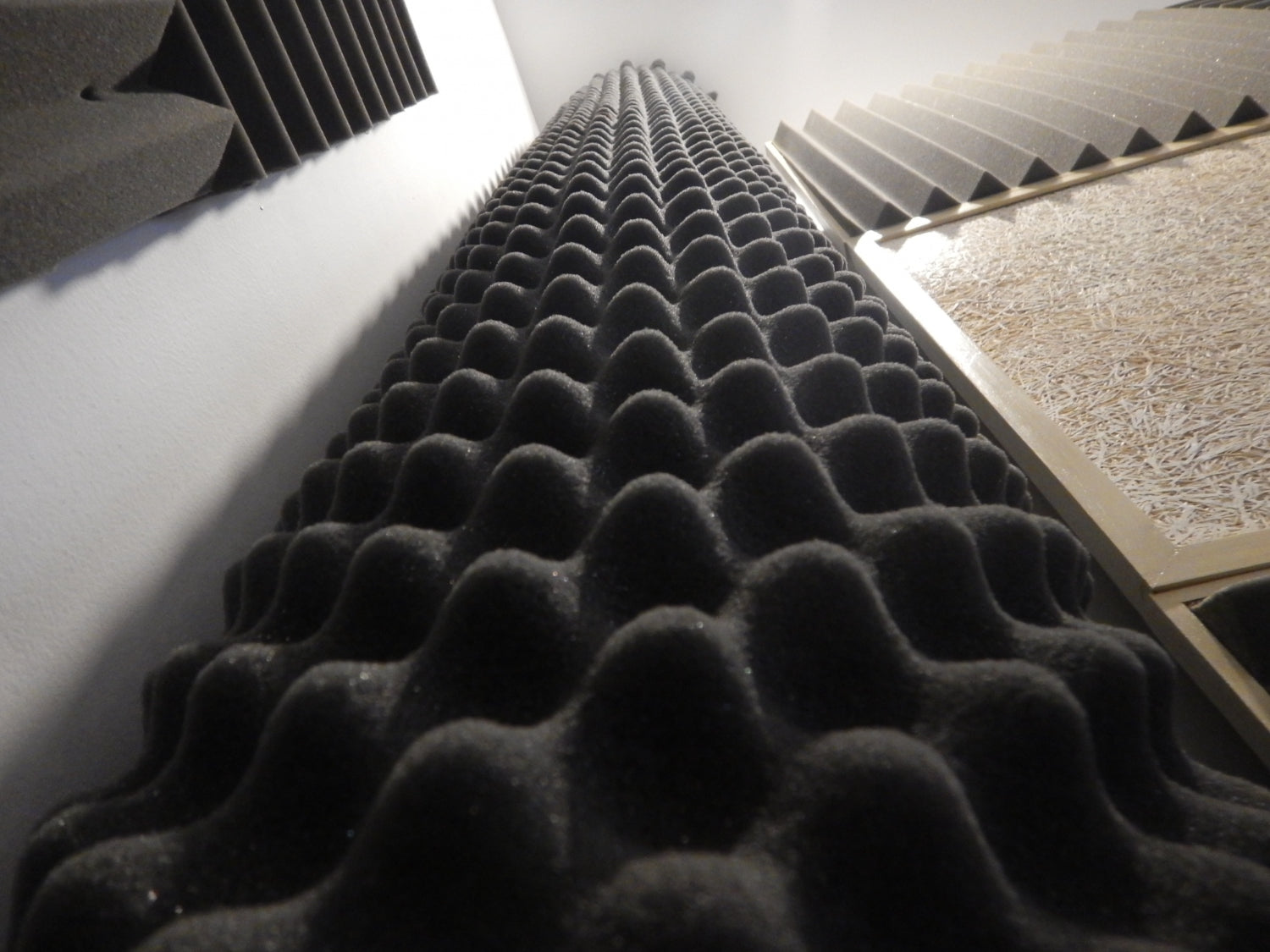
It's easy to assume that sticking foam panels on a wall solves the problem. But where and how you place them matters just as much as the panels you're using. Some panels might be too thin. Others might be installed too low or too high. Sometimes, there just aren't enough of them. All of these little things can add up and leave you wondering why the room still sounds off. Fortunately, most common installation mistakes are easy to spot and even easier to fix once you know what to look for.
Common Installation Mistakes That L
ower Performance
If sound-absorbing foam panels aren't working the way they should, there's frequently a reason behind it. Some of the most frequent problems come down to how they're installed, not the panels themselves. Getting the setup right can have a noticeable impact in the way a room sounds and feels.
Here are some common installation problems to watch out for:
- Bad placement across the room: Panels need to be placed where sound reflects the most, especially facing walls and ceiling zones that bounce the most noise. Putting them randomly on one wall rarely helps. Balanced spacing is key.
- Choosing the wrong type or thickness: Not all acoustic foam is the same. Thin panels might help with echo but won't do much for lower-frequency noise. It's significant to match the thickness and density of the foam with the kind of sound challenge you're dealing with.
- Not using enough panels: A few panels here and there might help with minor noise, but for larger rooms or spaces used for meetings, music, or group calls, more coverage is normally needed. Leaving open areas untreated gives sound room to travel.
- Unsecured or loose panels: If panels aren't properly fixed to the wall or ceiling, they can sag, fall off, or leave gaps behind them. That reduces their ability to absorb sound and takes away from the room's professional feel.
We recently came across an example in a medium-sized office meeting room where someone had installed eight slim panels along the back wall. Conversations still echoed and could be heard down the hallway. The challenge wasn't the panels themselves but rather poor placement and not enough coverage. Once thicker foam was added to the side walls and ceiling, the room felt quieter and far more private.
Fixing small mistakes like these can really help your panels do the job they're meant to do. It all starts with understanding the type of sound you're trying to manage and ensuring the foam is targeting the right areas.
How To Spot Signs Of A Bad Installation
It's not always obvious when something's gone wrong with the setup. But there are signs you can look and listen for. Catching these early can save time, frustration, and even money in the long run.
Here's how to check if your acoustic panel installation needs attention:
1. Persistent echo or ringing, particularly noticeable during calls or video meetings.
2. Sound travelling clearly into neighbouring rooms or hallways.
3. Panels that are misaligned, slipping, or starting to peel.
4. Bare wall or ceiling spots that reflect sound back into the room.
One simple test is to walk around the room while someone is speaking. Stand in different parts of the room and just listen�see where the sound seems unnaturally sharp or where it escapes. You could try clapping in various corners and noting where the echo sounds strongest.
If you've adjusted panel placement and sound is still a challenge, it might be worth consulting a professional. An experienced installer can normally spot gaps or errors quickly and explain the best way to fix them before you spend more time or money on guesswork.
Fixing Installation Mistakes That Hurt Sound Control
Once you've spotted what's off with your foam panel setup, the following stage is fixing it properly. You don't need to rip everything out. More frequently than not, small changes can lead to big improvements.
Start with layout. Many people put all their panels in one part of the room. This normally doesn't provide enough balance. Sound reflects off many surfaces, not just one. Spread panels across walls, corners, and even ceilings if possible. If the room is used for work, calls, or group discussions, think about where people sit or speak and treat the areas closest to those spots.
Next, look at thickness. Thin foam may reduce some echo but won't do much for mid to low tones like deeper voices or general office buzz. For spaces like conference and meeting rooms or work pods, thicker foam or dual-layer setups are better. And if sound is still slipping through, pairing foam with other backing materials can make a difference.
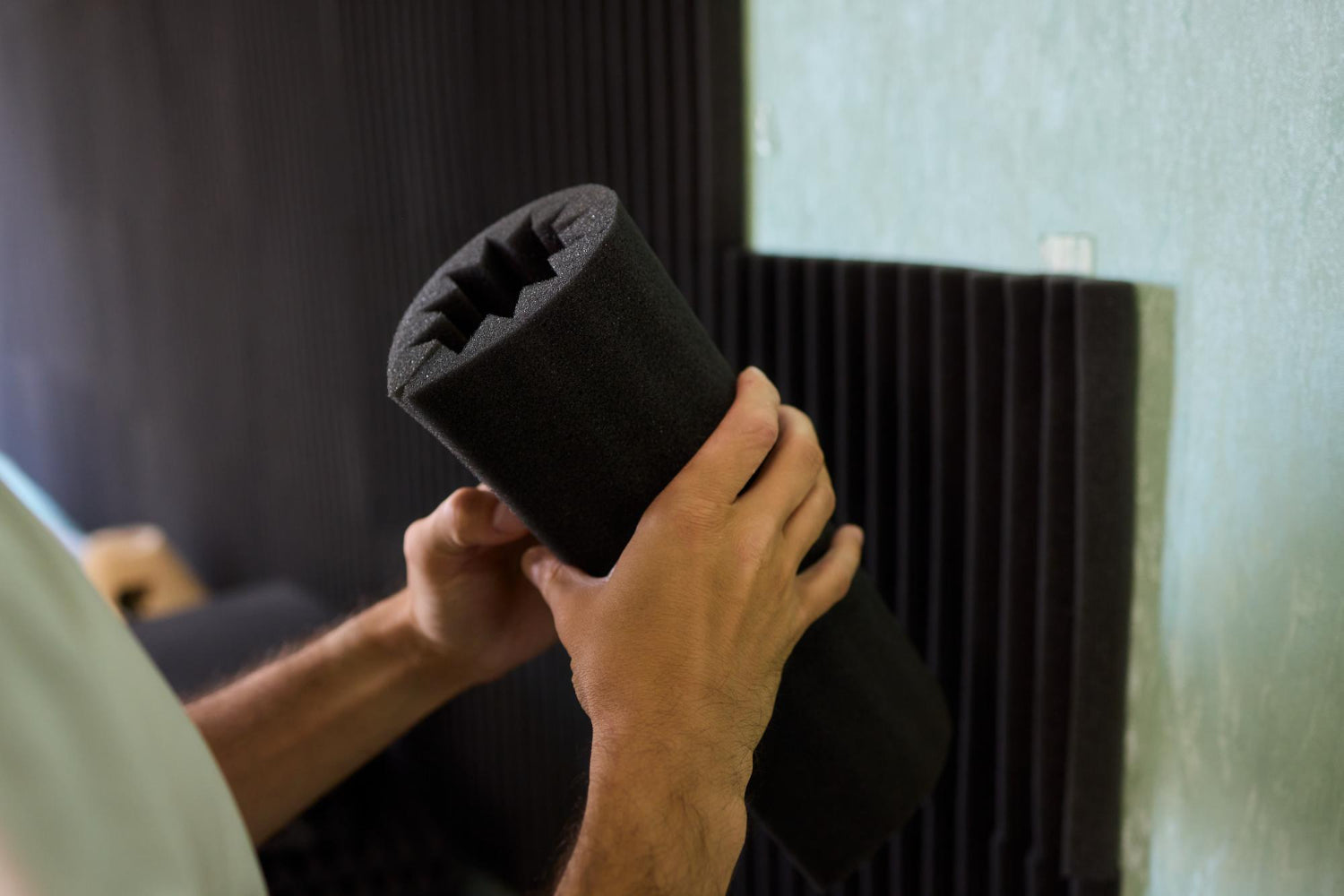
Now, let's talk fixings. If your panels are falling off, bending at the corners, or sliding down, they likely weren't attached with the right technique. Spray adhesive is easy but isn't always long-lasting. For a cleaner and more secure hold, look at using fixing systems or clips designed for the job. Warmer office areas or spaces with lots of use will need a more durable option to keep panels firmly in place.
Lastly, it might just be that you need more panels. That doesn't mean putting them on every on offer surface. Focus on areas that bounce the most sound. Reflective surfaces, shared walls, spots near doors, and ceilings above noisy work zones are a good start. Space them with enough gap to remain successful but take the time to map it out�not everything needs to go up at once.
Why Proper Panel Setup Makes a Big Difference
Installing sound-absorbing foam panels well doesn't just reduce ambient noise. It actually changes how the room feels and functions.
Here's what the right setup can do:
- Clearer sound: Sound becomes easier to follow, speech is more natural, and echo drops. Handy in offices where clear communication is key.
- Better privacy: Conversations no longer travel through walls or bounce into busy areas. Meetings stay contained in the room.
- A more professional look: Panels that stay up straight and are well spaced make the space look intentional and smart, instead of random or rushed.
- Long-term results: A proper installation means fewer replacements, less sagging foam, and no recurring problems with falling panels.
We worked with an office dealing with fallen panels during summer months. Heat caused adhesive to weaken. After moving to a better system and adding slightly thicker foam in weak sections, nothing has dropped since. Plus, staff said calls became easier as the clarity improved overnight.
Making Your Acoustic Set-Up Work The Way It Should
Even top-end sound-absorbing foam won't fix sound problems if it's not installed correctly. Too many gaps, the wrong placement, or not enough coverage all hold the setup back from working the way it should.
Planning ahead saves both effort and cost. Start by deciding what challenge you're actually hoping to solve. Is it echo? Loud chatter? Voices leaking into the next room? Your answers guide the placement, thickness, and number of panels required. Once in place, check the whole room. Fix anything starting to peel or shift out of position. Don't let early signs of slipping turn into full replacement jobs.
If you've tried fixes and it's still not working right, that's frequently a sign to bring someone in. Getting help from an expert avoids the risk of wasting time and money. Acoustic panels are meant to make an area easier to work or relax in. Getting them installed right means reaping the full benefit now and well into the future.
Enhance your office environment by ensuring your acoustic foam is optimally installed for maximum sound control. Explore the comprehensive selection at Advanced Acoustics to find the right product tailored to your needs. By addressing improper alignments and selecting the appropriate density, you can transform your space into a haven of clarity and focus. Browse our collection to discover the best options to keep conversations contained and levels of noise managed successfully.
Previous: STS TG4 Construction Board: The Ultimate Solution for Strong, Soundproof Floors
Visit the Advanced Acoustics Ltd website for more information on Identifying and Fixing Acoustic Panel Installation Mistakes
ENQUIRY FORM