How to Stop Meeting Room Noise Travelling Through Shared Walls
17/02/2026
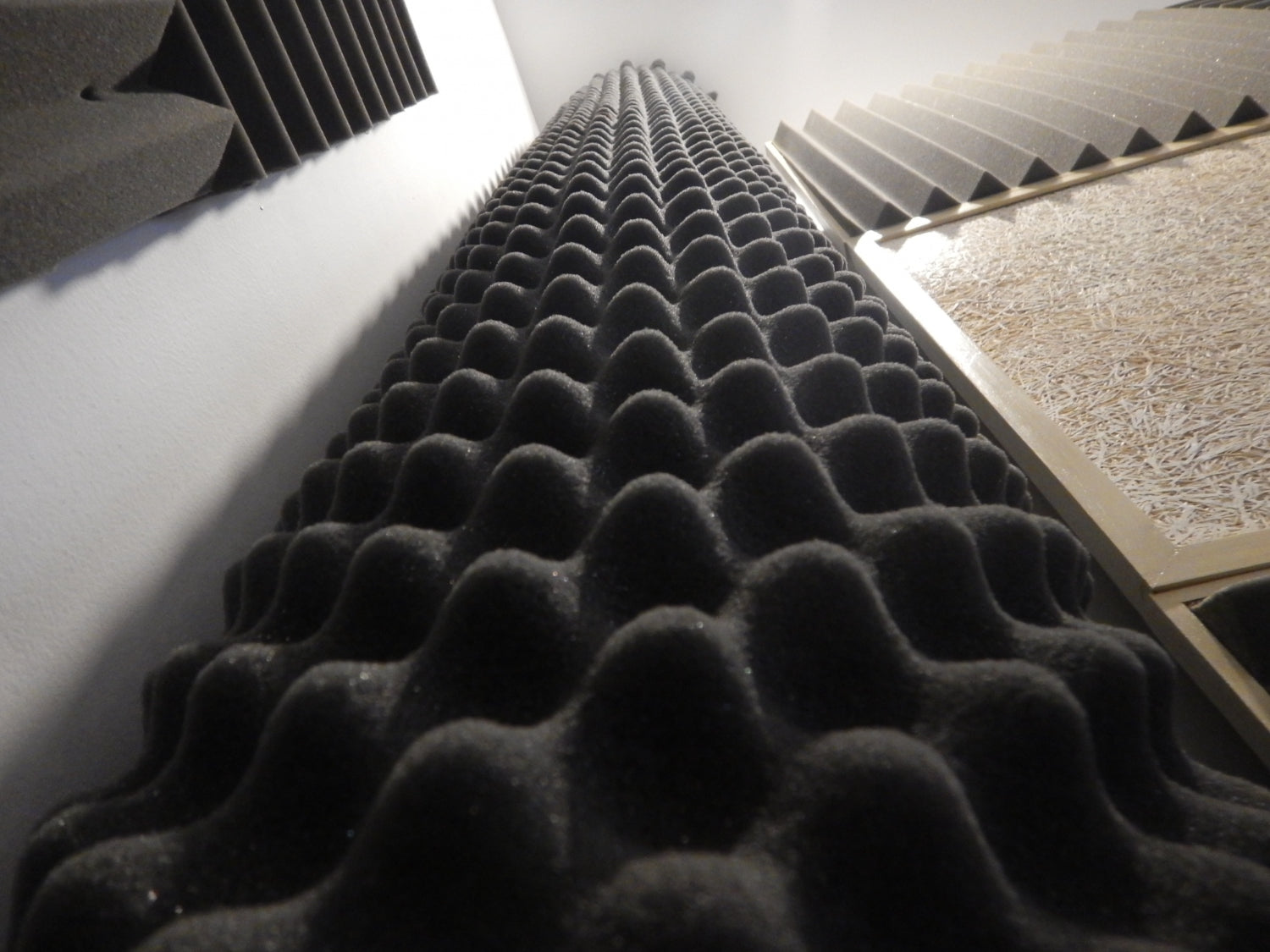
It is important to clarify something early: sound-absorbing panels are developed to control sound within a room, not stop sound travelling between rooms. If you need true sound isolation through walls, dedicated soundproofing systems are required. That said, if your goal is clearer conversations, less echo, and better sound control inside the meeting room, sound-absorbing panels are exactly what you need.
Understanding the difference ensures an appropriate solution is applied to the right challenge.
Why Shared Meeting Room Walls Carry Sound
Meeting rooms are often built with lightweight materials such as plasterboard, glass partitions, or timber framing. These materials are practical and cost-successful, but they are not designed for high sound isolation.
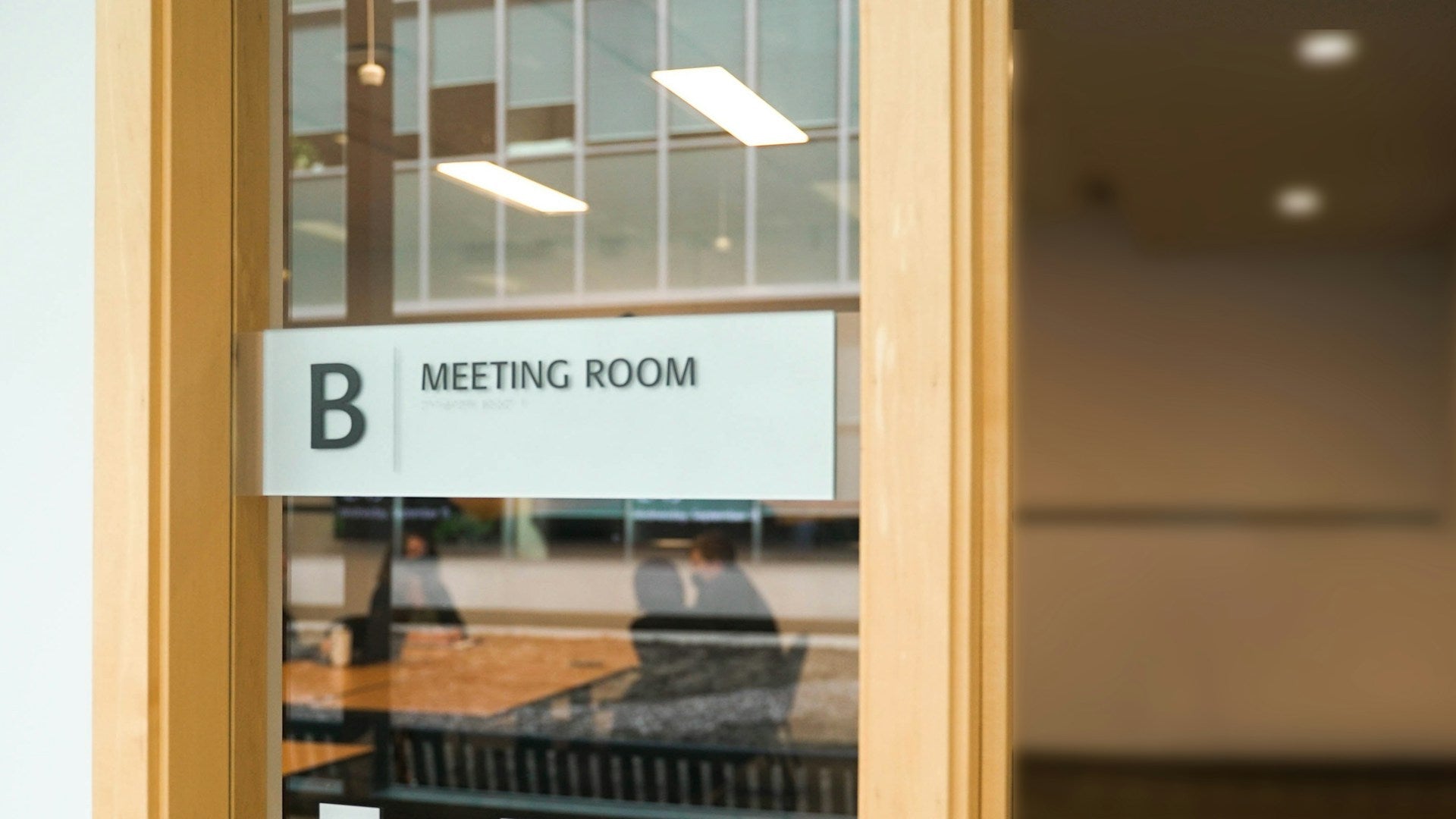
When two rooms share a wall, sound vibrations can pass through that structure. Low-frequency sounds including deeper voices travel particularly well through lightweight walls.
Common factors that contribute to sound transfer include:
Thin dividing walls without mass or insulation
Gaps around doors, ceiling grids, or service penetrations
Rigid wall connections without isolation systems
In these situations, improving privacy requires more than surface treatments.
Acoustic Panels vs Soundproofing: What's the Difference?
This is where confusion often happens.
Acoustic Panels (Sound Control)
Acoustic panels are intended to absorb reflected sound within a room. They:
Reduce echo and reverberation
Improve speech clarity
Lower overall noise buildup inside the space
Create a calmer, more controlled acoustic environment
They do not stop sound passing through walls.
If a meeting room feels loud, harsh, or echoey, sound-absorbing panels are the correct solution.
Soundproofing Materials (Sound Isolation)
If the issue is voices clearly heard in the next office, then sound isolation measures are required. These may include:
Mass Loaded Vinyl (MLV) to add density to walls
A resilient bar system to decouple plasterboard from framing
Additional wall layers with acoustic insulation
Upgraded solid-core doors and perimeter seals
These systems work by adding mass, separation, or damping, all essential for blocking airborne sound transmission between rooms.
For successful sound isolation, sound-absorbing panels alone are not sufficient.
What Acoustic Panels Actually Do Well
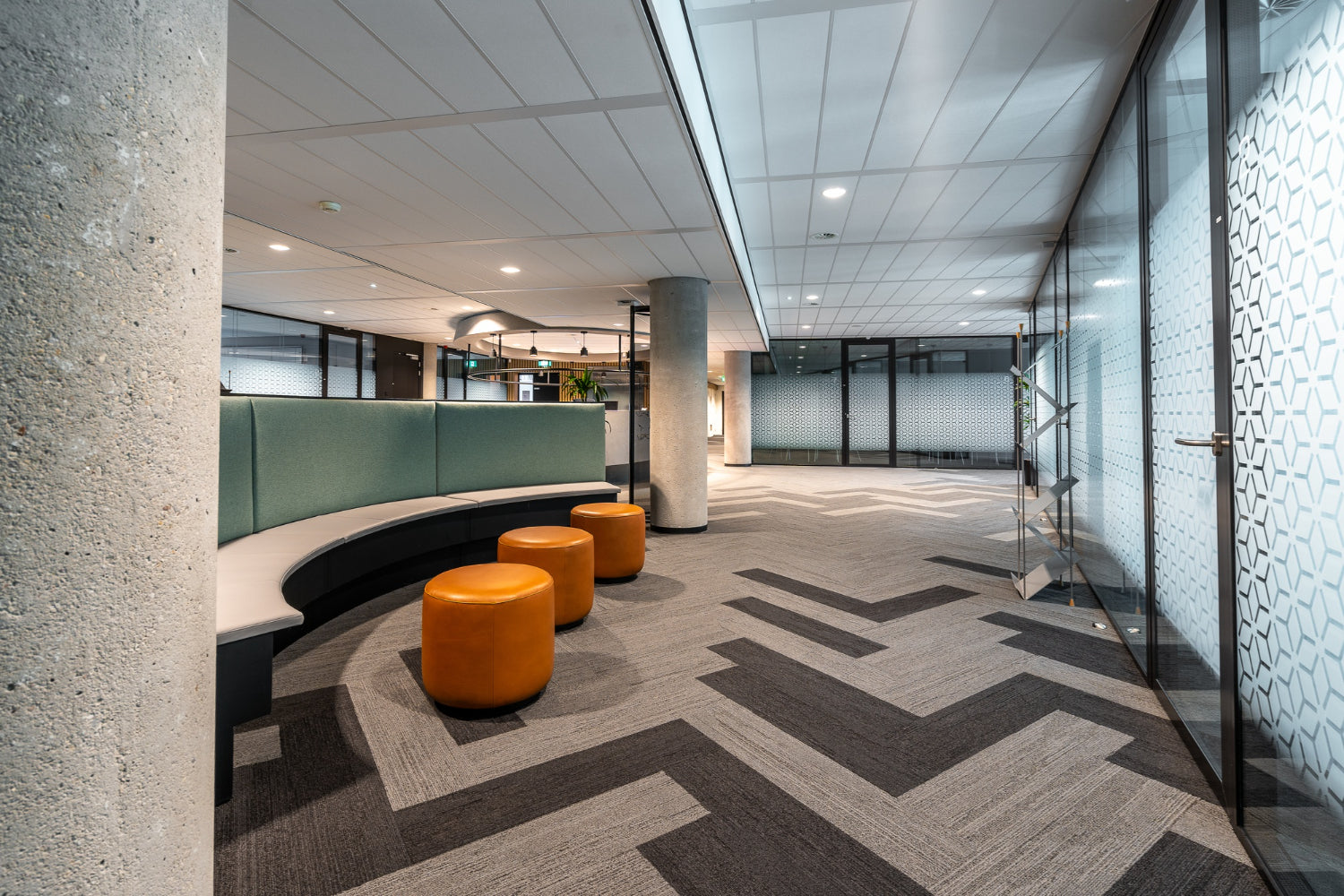
While they do not block sound transfer through walls, sound-absorbing panels play a crucial role in office environments.
By absorbing reflected sound energy inside the room, they:
Reduce the overall noise level in meetings
Prevent speech from becoming harsh or fatiguing
Improve intelligibility on calls and video conferences
Create a more comfortable workplace setting
When internal reverberation is reduced, speech becomes clearer and less amplified within the room. This can slightly reduce perceived spill, but it does not replace structural soundproofing.
For effective sound control inside the office, sound-absorbing panels are essential.
Choosing the Right Approach for Your Space
The correct option depends entirely on the problem you are trying to solve.
If the issue is:
Echo, harshness, or poor clarity inside the meeting room
? Install acoustic panels.
Voices clearly heard through shared walls
? Upgrade the wall construction with soundproofing materials such as MLV or resilient bar systems.
In many cases, offices benefit from both. Soundproofing improves privacy between rooms, while acoustic treatment improves comfort and clarity inside each space.
Getting the Best Results
For sound control inside meeting rooms:
Install sound-absorbing panels at speech height along reflective walls
Treat first reflection points and corner
Avoid over-treating; balanced placement works best
Match panel finishes to the office design for a professional look
For sound isolation between rooms:
Increase wall mass
Introduce mechanical separation (resilient bars or double stud systems)
Seal all gaps and penetrations
Upgrade doors if necessary
Trying to solve isolation problems with acoustic panels alone will not deliver the desired outcome. Proper diagnosis is key.
Quieter Meetings, Done the Right Way
Shared walls do not have to mean shared distractions, but the solution depends on the type of noise problem.
If you want better clarity, reduced echo, and improved comfort within your meeting room, sound-absorbing panels are an appropriate option.
If you should prevent conversations from travelling between offices, dedicated soundproofing systems such as MLV or resilient bar installations are required.
Understanding this distinction ensures your investment delivers measurable results.
Advanced Acoustics provides office acoustic options and guidance on effective sound isolation systems. Whether you need clearer conversations inside the room or improved privacy between rooms, the right approach makes all the difference.
Previous: Why Are Restaurants So Noisy? How to Fix It
Next: Why Square Acoustic Tiles Aren't Always Enough for Office Corners
Visit the Advanced Acoustics Ltd website for more information on How to Stop Meeting Room Noise Travelling Through Shared Walls
ENQUIRY FORM