Fixing Sound Reverberation Problems with Strategic Panel Placement
08/06/2025
When acoustic waves hit solid surfaces, the waves reflect, causing overlapping sounds that muddy the original audio. You could picture this as attempting to have a conversation in a cavernous hall�words become less clear as they bounce back at slight delays.
The need to tackle sound reverberation is essential for those aiming for precise acoustics, be it in a home office or a professional recording studio. Without addressing it, sound reverberation can lead to a less-than-ideal auditory experience. By reducing these unwanted reflections, you achieve clearer communication, warmer sound, and overall improved sound quality in any space where acoustic clarity is significant.
Understanding Acoustic Panels and Their Benefits
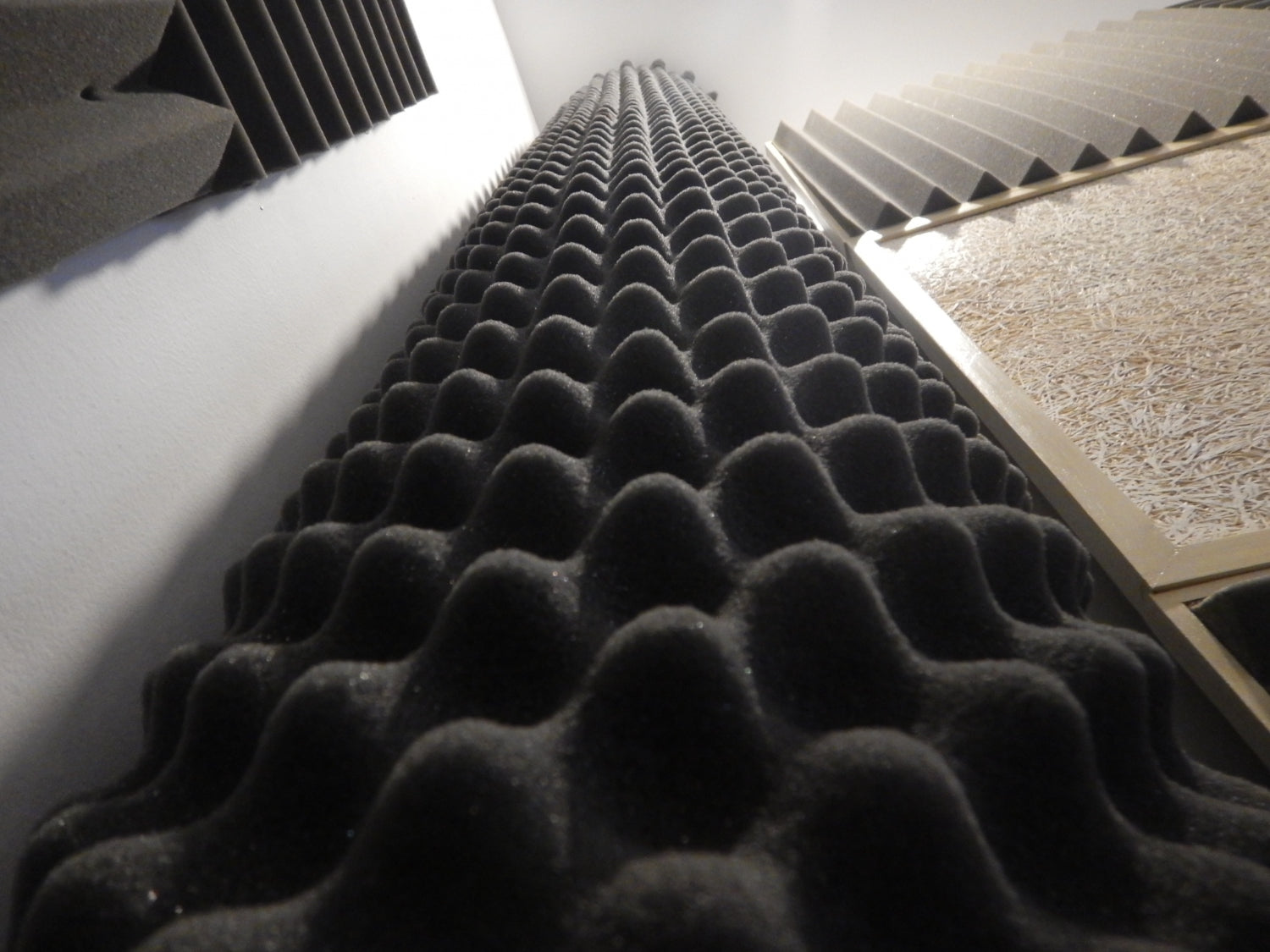
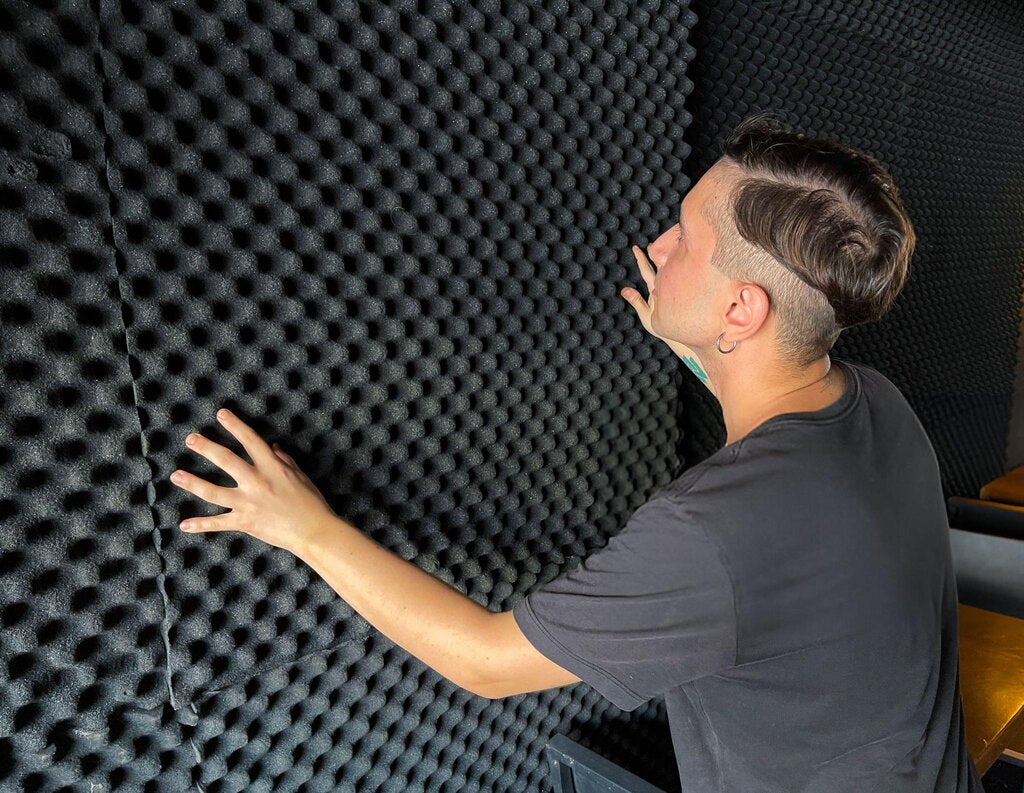
Acoustic panels are your sound environment's best friend, designed to absorb sound waves and reduce the negative impact of echoes. These panels are frequently made from a soft foam material that traps sound waves, preventing them from bouncing off surfaces like ceilings and walls. When properly installed, they can turn an area with unpleasant echoes into an acoustically sound haven.
One of the standout advantages of acoustic panels is their versatility. They can be used in various settings:
- Home theatres for a better movie sound experience
- Offices to create peaceful work environments
- Recording studios for crisp audio capture
- Meeting rooms for clear communication
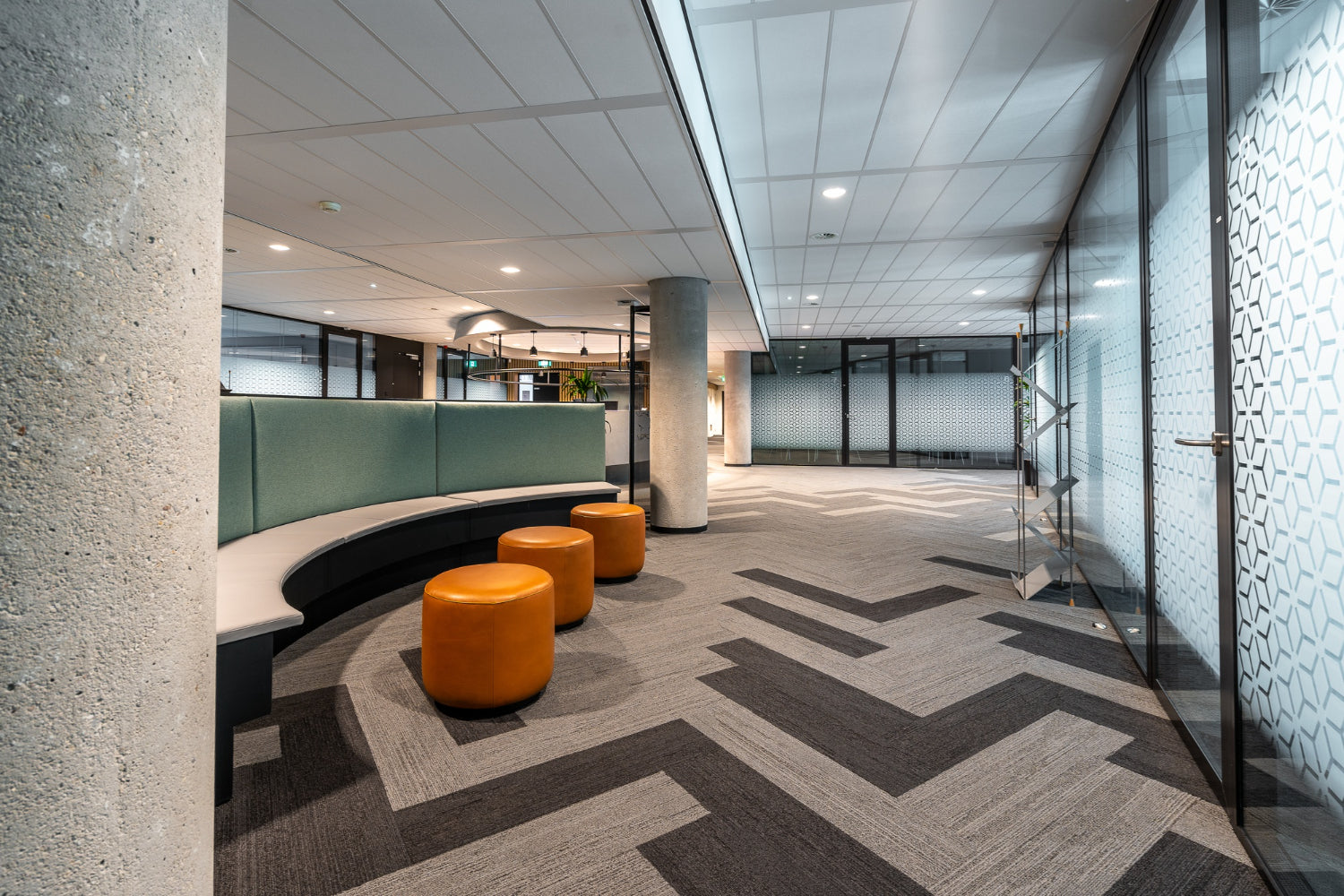
In homes, acoustic panels enhance the clarity of personal spaces, making them well suited to places with hard surfaces that frequently reflect sound. In offices, they promote productivity by lowering levels of noise, creating a more focused work atmosphere. Studios particularly benefit as these panels offer a controlled environment, ensuring sound is captured accurately without unwanted noise interference.�
So, whether you're an aspiring musician or someone who enjoys quiet reading time, sound-absorbing panels offer a option to surround sound problems, making any auditory experience much more enjoyable.
Strategic Panel Placement for Tackling Reverberation
The placement of acoustic panels is key to maximising their effectiveness and ensuring that those annoying echoes become a thing of the past. By carefully choosing where to place these panels, you can target areas where sound bounces the most and reduce reverberation effectively. Let's explore why this matters and how you can make smart placement choices.
First, it's significant to understand that different spaces will have different acoustical needs, and identifying these needs is the starting point. Here's how you can start:
- Listen and Observe: Spend some time in the room and pay attention to where the sound seems to echo or bounce the most.
- Look for Hard Surfaces: Walls, ceilings, and floors that aren't carpeted are likely spots for reflection of sound.
- Consider the Room's Purpose: Are you dealing with an office meeting room or a home theatre? The purpose will dictate where the panels should go.
Once you've mapped out these hot spots, you can position your panels strategically. For instance, placing panels on opposite walls can help in breaking sound waves before they bounce back and forth endlessly. Ceilings are as well crucial, especially in rooms with high ceilings, as they contribute significantly to echo. Placing panels above seating areas or desks can greatly absorb excess noise and offer immediate sound enhancement.
Step-by-Step Installation Tips
Installing sound-absorbing panels doesn't have to be challenging. With the right tools and a bit of preparation, you can have them up and running without much hassle.
1. Gather Your Tools: You'll need a tape measure, level, adhesive or mounting strip, and a drill if screw attachments are necessary.
2. Measure and Mark: Decide on the height where the panels will be most effective. Mark the spot lightly with a pencil.
3. Secure the Panels: Depending on the mounting option, either peel back the adhesive or use screws to attach the panels firmly to the walls or ceiling.
4. Check for Stability: Make sure the panels are securely fastened and won't fall off over time. Adjust if needed.
This straightforward approach to installation ensures that the panels not only reduce noise but as well remain a stylish addition to your room, with minimal maintenance.
Maintaining Your Acoustic Panels
Now that you've installed your acoustic panels, maintaining their condition is equally significant to enjoy the advantages continuously. Regular care can keep them looking and working great for years.
Acoustic panels generally require simple cleaning to remove any dust buildup. Gently vacuuming the surface with a brush attachment or wiping them with a damp cloth can help. It's as well a good idea to inspect the panels every few months to ensure they're still secure and haven't developed any tears or wear. If you notice any damage, consider replacing or upgrading them to maintain sound quality.
Whether you're a budding studio at home creator or simply need quiet in an office setting, taking action against sound reverberation with the right panels makes all the difference. With these steps, your room will invite a clearer, more pleasant sound environment, free of those bothersome echoes.
Elevate your space's acoustics by strategically placing sound-absorbing panels to minimize reverberation and enhance audio quality. At Advanced Acoustics, our expert room acoustic treatment specialists may allow you to design a sound environment that suits both your needs and style. Embrace the clarity and focus that come from a well-tuned space, and enhance every auditory experience today!
Previous: Identifying and Fixing Acoustic Panel Installation Mistakes
Visit the Advanced Acoustics Ltd website for more information on Fixing Sound Reverberation Problems with Strategic Panel Placement
ENQUIRY FORM