Boost Office Productivity with Effective Soundproofing
23/07/2024
When we talk about soundproofing, we're referring to the techniques and materials that can reduce noise pollution in an office setting. It's not just about blocking out external noise, but as well about managing the sound within the office to prevent echoes and reverberations that can be just as disruptive. With successful soundproofing, you can create a workspace that supports mental focus and minimizes stress caused by unnecessary noise.
Understanding the dynamics of how sound interacts with your office environment can help identify specific needs�whether it's keeping street noise out, containing conference room discussions, or ensuring that the general office buzz doesn't interrupt deep work.
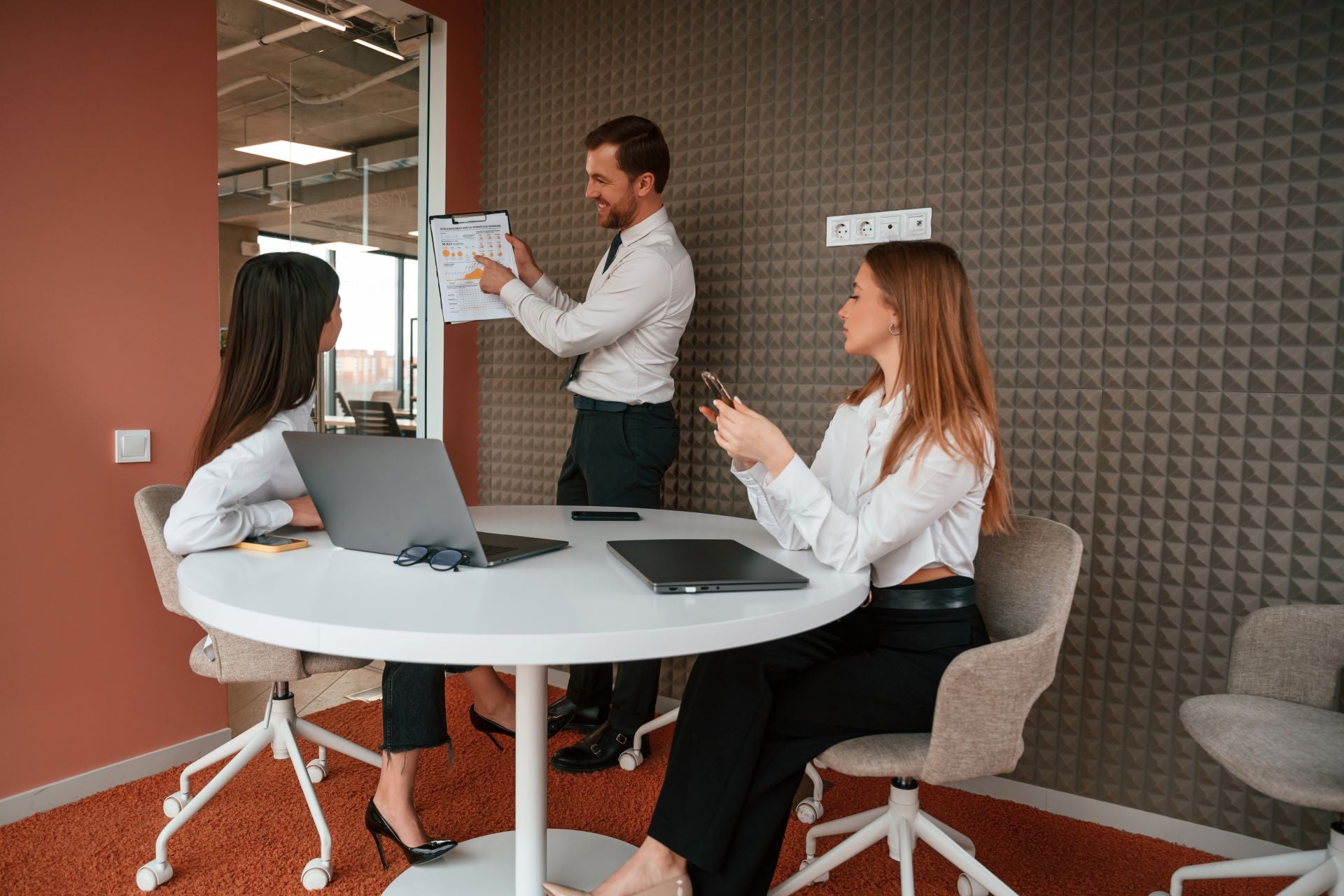
Implementing sound isolation options can lead to a quieter, and by extension, a more productive work environment. How does this change in environment translate to real-world benefits? Read on as we explore the positive impact of soundproofing your office space and offer you with practical tips to achieve it.
Understanding Soundproofing and Its Benefits for Work Environments
Soundproofing is more than just blocking noise; it's about creating a sound environment that enhances efficiency and concentration in the workspace. In an office setting, soundproofing can drastically reduce the distractions that prevent us from focusing on our work. By insulating an area from external noises like traffic, construction, and even loud conversations, we create a quieter, more focused atmosphere. The outcome? Improved efficiency and a significant decrease in stress levels caused by continual noise pollution.
Moreover, soundproofing is essential for maintaining confidentiality in meetings and private discussions. With proper soundproofing, sensitive information remains within the intended space, ensuring privacy and compliance with data protection regulations. This makes the workplace not only quieter but as well secured and reputable, reflecting a professional and considerate environment for all.
Types of Soundproofing Materials and Their Applications
When we consider upgrading our office space with soundproofing, the range of on offer materials can be overwhelming. Here's a practical rundown of the most successful options and their ideal applications:
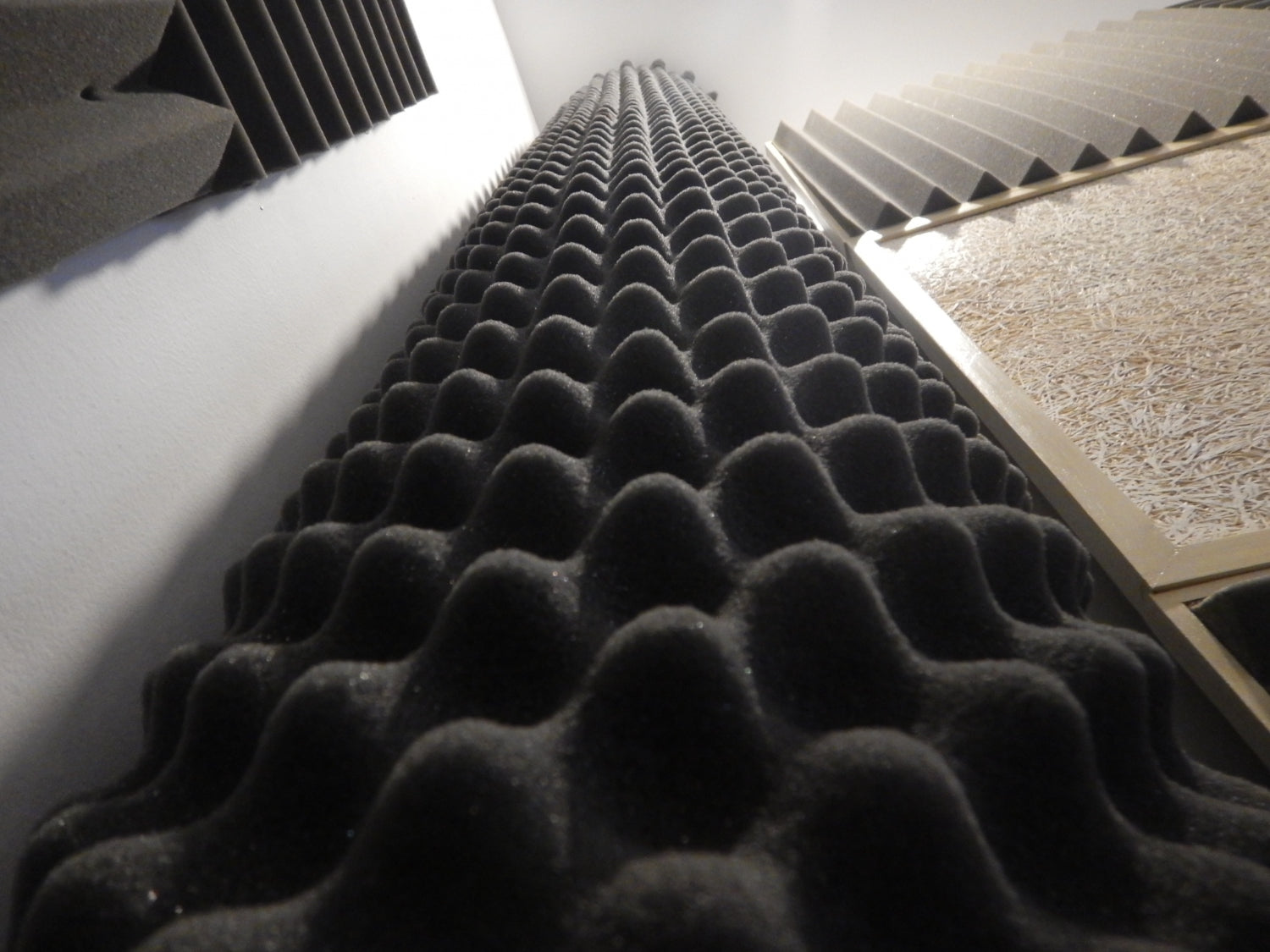
1. Acoustic Foam: This is lightweight and easy to install, excellent for taking in sound energy vibrations and reducing echo. It's particularly suited to smaller spaces or rooms where clarity of speech and sound is crucial.
2. Mass Loaded Vinyl (MLV): Heavy yet flexible, MLV blocks sound from entering or leaving a room. It's well suited to walls separating offices or conference rooms from noisy areas like lounges or streets.
3. Acoustic Panels: Often made from 30kg/m3 well-made acoustic foam, these panels successfully control reflected sound. They are suitable for large open areas including call centres or spaces with high ceilings. Acoustic panels also offer a more aesthetically pleasing and professional finish.
4. Soundproof Curtains: These can be used to block noise from windows, Among the most frequent entry points for external noises in office environments.
Each material serves specific needs according to the nature of the noise and the office layout. Selecting the right types ensures that soundproofing is efficient and cost-effective, making the workspace quieter and allowing for better concentration and improved productivity. By applying these materials strategically around the office, we can maximise their effectiveness and create a considerably quieter workplace setting.
Practical Steps to Soundproof Your Office
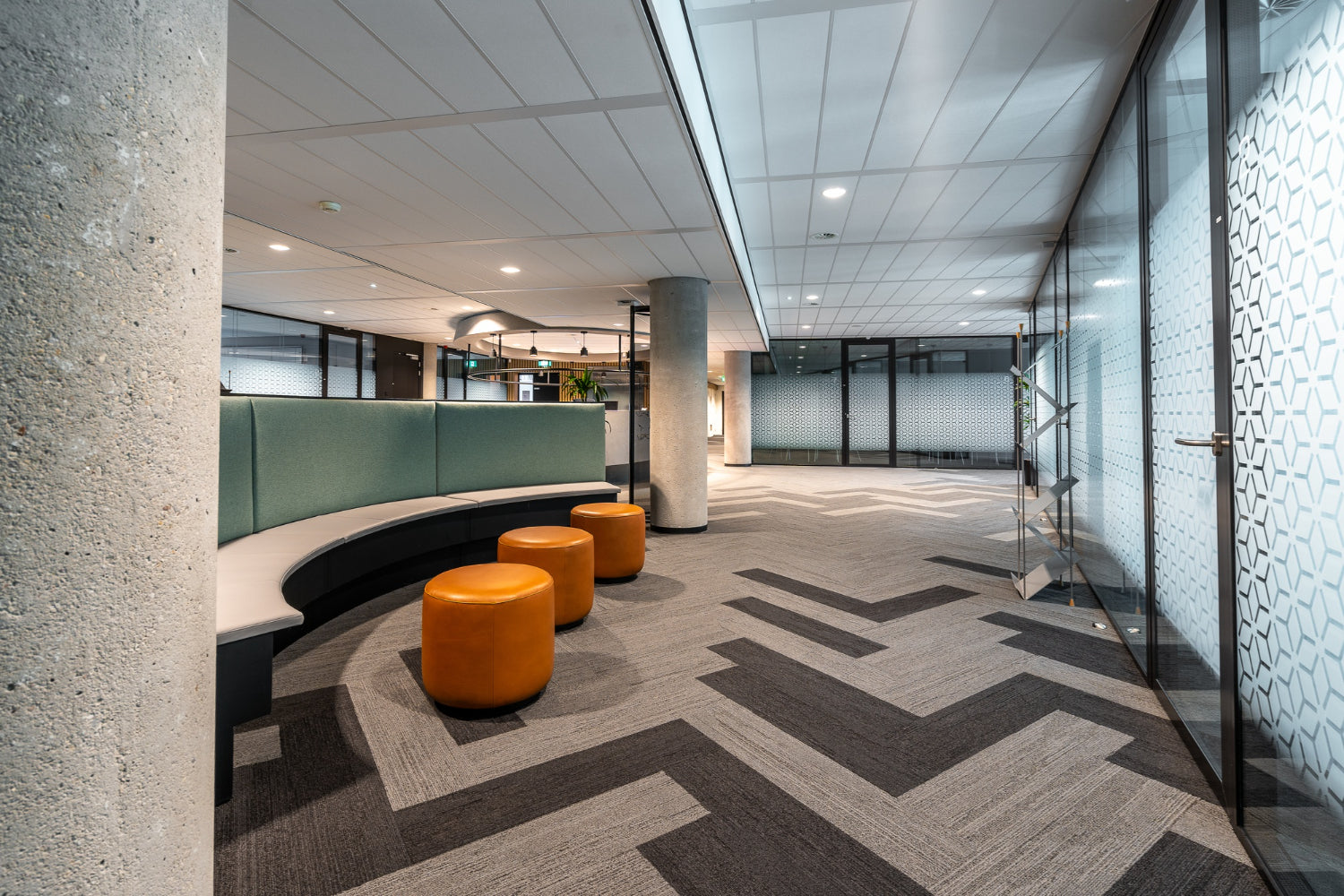
Soundproofing an office starts with a clear plan and knowing exactly where to place materials that best absorb or block noise. Here's how you can begin the process successfully. First, identify the main sources of noise you want to eliminate or reduce. These might include exterior noise from traffic or internal noises from equipment or busy corridors. Once identified, measure the areas where sound isolation materials will be applied. This could involve calculating wall space for sound-absorbing panels or floor space for carpets or underlays.
Start by installing the simplest materials. Acoustic foam tiles can be placed on walls where echoes are a challenge. For ground noise, consider carpeting with thick padding. If outside noise is an challenge, window seals and soundproof curtains are a good initial step. Remember, each area might need a different type of material based on the sound challenge and the surface. For maintenance, routinely check the integrity of the materials used. Foam panels might need cleaning to remain effective, and seals on windows and doors should be checked for any cracks or gaps that can develop as time passes.
The Long-Term Advantages of a Soundproofed Office
Implementing sound isolation options in an office doesn't just provide immediate reduction in noise disruption�it can fundamentally transform the workplace. With less noise, there's noticeably increased productivity. Employees can focus better without the constant interruption of undesired sounds, leading to quicker and more efficient work output. This enhancement in workplace efficiency often translates into higher job satisfaction and lower stress levels amongst staff.
Moreover, soundproofing enhances privacy, which is critical in maintaining confidentiality, especially in areas including HR departments or executive offices. It as well contributes to a more professional environment, where clients or visitors are not greeted by a barrage of noise upon entering. Over time, the investment in soundproofing technology can as well contribute to the health and wellbeing of everyone in the office, reducing potential hearing damage from prolonged exposure to high levels of noise and decreasing overall stress.
Effective soundproofing is key in crafting a work environment that promotes productivity, preserves confidentiality, and maintains a professional atmosphere. If you're interested in upgrading your office space with well-made sound isolation materials, visit Advanced Acoustics for a comprehensive range of products developed to meet all your acoustic needs. Let us help you transform your noisy office into a haven of tranquility and efficiency.
Previous: Identifying and Fixing Acoustic Panel Installation Mistakes
Visit the Advanced Acoustics Ltd website for more information on Boost Office Productivity with Effective Soundproofing
ENQUIRY FORM