Best Materials to Soundproof a Home Gym
29/07/2024
Understanding the reasons behind soundproofing your home gym is the starting point. Noise from gym equipment can travel through floors, walls, and ceilings, causing disturbances throughout the house. Such noise is not only distracting but can also be particularly disruptive if you live in an apartment or have sensitive neighbours. Moreover, continuous loud sounds can be harmful to hearing as time passes, making soundproofing beneficial for your health as well.
Taking measures to soundproof your gym as well makes the room more pleasant for working out. With a quieter environment, you can enjoy a more focused and less stressful exercise session.
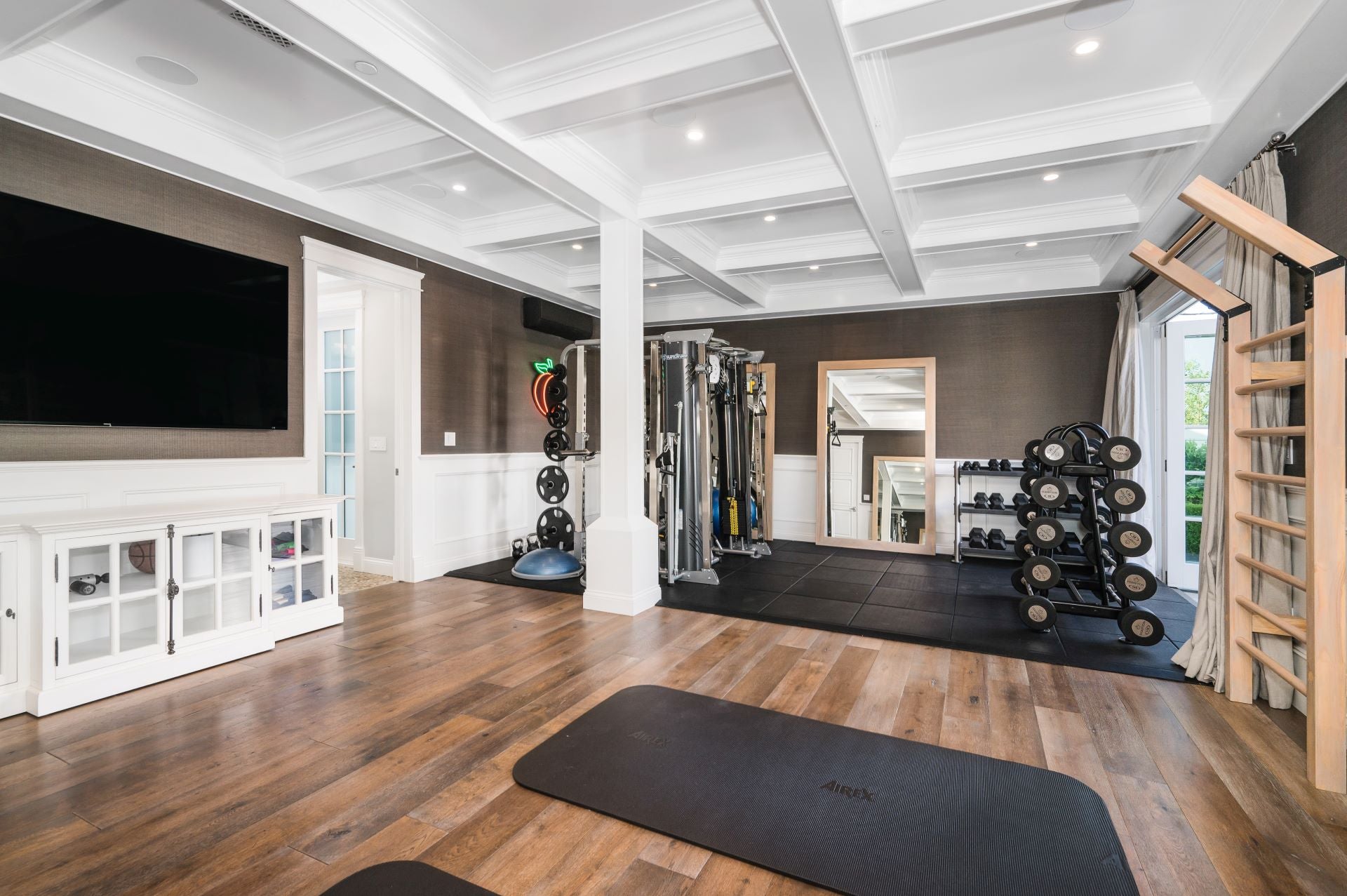
By identifying the sources of noise and using the right materials and techniques, you can create a gym space that is acoustically well-managed. This article will guide you through understanding the need for soundproofing, selecting the best materials, implementing soundproofing strategies, and maintaining the effectiveness of these efforts.
Understanding the Need for Soundproofing a Home Gym
Soundproofing a home gym is essential for maintaining a peaceful environment in your home. Exercise equipment can generate a lot of noise, whether it's the repetitive thumping of a treadmill, the dropping of free weights, or the loud music frequently played during workouts. These sounds can easily travel through walls, floors, and ceilings, causing disturbances to others in the home or even neighbours. Soundproofing helps to contain these noises within the gym, preserving the tranquillity of other living spaces and promoting a more enjoyable exercise experience.
Common noise problems in home gyms stem from various sources. The most significant noise producers are normally heavy gym equipment, including treadmills or elliptical machines, which create consistent vibration and impact noises. Weight lifting frequently involves dropping or setting down weights, producing loud, sudden sounds. Additionally, aerobic exercises like jumping or running in place can create impact noise that travels through the building structure. Music and other workout sounds can also contribute to the overall noise level. Understanding these common noise problems helps in selecting the right soundproofing methods and materials to successfully reduce their impact.
Top Soundproofing Materials for Home Gyms
Choosing the right sound isolation materials is crucial for effectively managing noise in a home gym. Here is a list of some of the best materials appropriate for soundproofing a home gym:
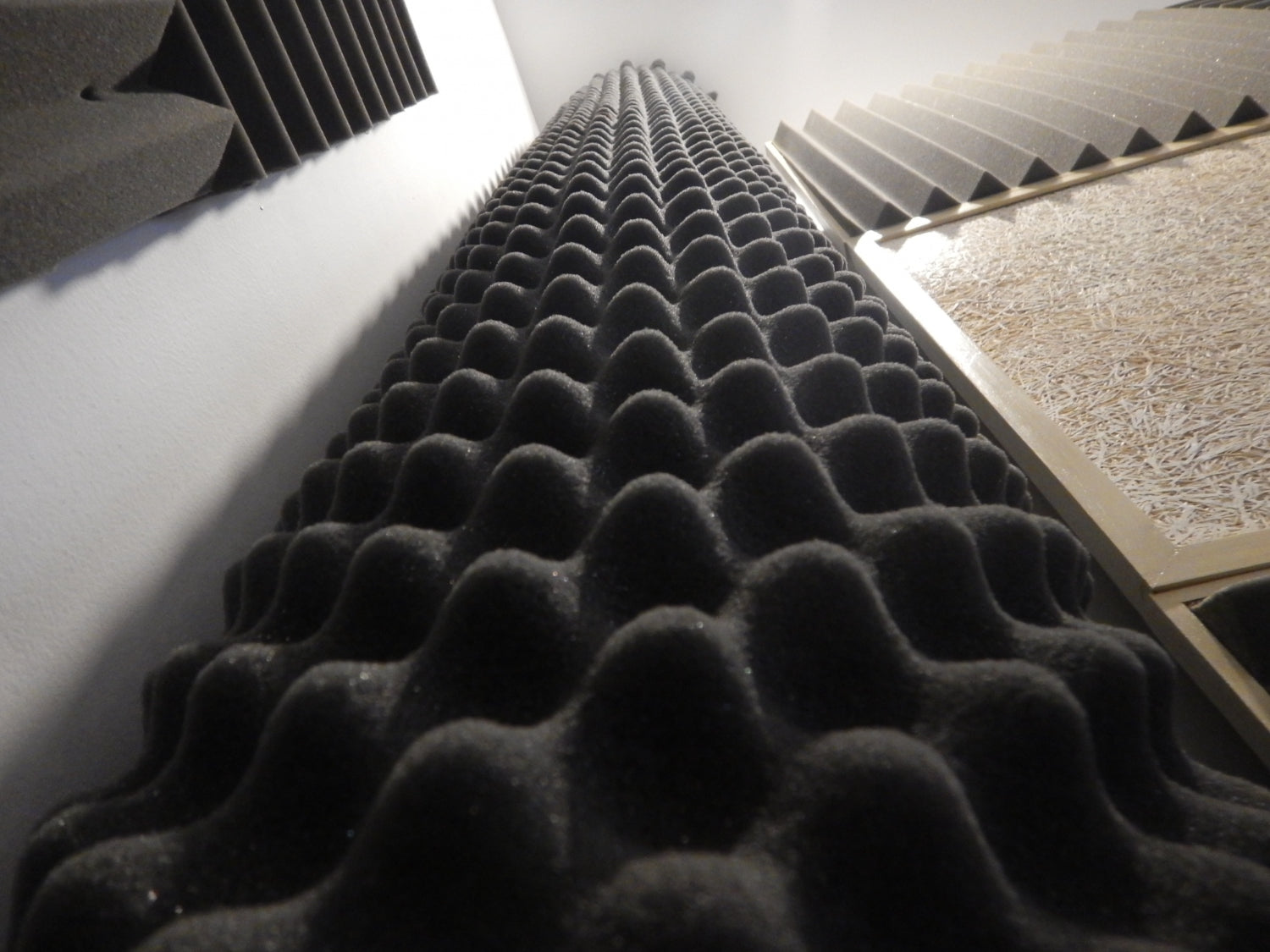
1. Acoustic Panels: These panels absorb sound and reduce echoes. They are successful for dampening noise from gym equipment and workout activities.
2. Rubber Gym Flooring: Rubber mats and tiles offer excellent impact noise reduction. They help absorb the shock from dropped weights and cardio exercises.
3. Acoustic Curtains: Heavy, dense curtains can be used to cover windows and walls to block out sound. They are as well effective in containing noise within the room.
4. Door Seals and Sweeps: These are significant for blocking the gaps around doors, preventing sound from escaping the gym and travelling to other parts of the house.
5. Mass Loaded Vinyl (MLV): This is a dense, flexible material that adds mass to walls and floors, reducing sound transmission.
Each material helps in reducing noise in different ways. Acoustic panels are developed to absorb sound waves, preventing them from bouncing around the room. Rubber gym flooring is excellent for minimising impact noise from exercises and dropped weights. Acoustic curtains block external noise and contain internal noise, enhancing overall soundproofing. Door seals and sweeps cover gaps around doors, which are frequently overlooked but significant pathways for sound. Mass Loaded Vinyl adds mass to surfaces, making them more successful at blocking sound transmission. By using these materials, you can create a quieter and more efficient home gym environment.
Implementing Soundproofing Techniques
Implementing soundproofing techniques in your home gym can be straightforward if you follow the right steps. Here is a step-by-step guide to applying soundproofing materials effectively:
1. Prepare the Room: Clear out the gym equipment and clean the surfaces. This ensures that soundproofing materials adhere properly.
2. Install Acoustic Panels: Place sound-absorbing panels on the walls to absorb acoustic waves. Position them where the noise is most likely to reflect, including behind gym equipment.
3. Lay Down Rubber Flooring: Cover the floor with thick rubber mats or tiles. This will absorb impact noise from weights and aerobic exercises, and offer a safer, non-slip surface.
4. Add Acoustic Curtains: Hang heavy curtains over windows and walls. This creates an additional barrier to contain sound within the gym.
5. Seal the Doors: Install door seals and sweeps to block gaps around the doors. These small changes can have a noticeable impact in preventing noise from escaping.
Practical tips for maximising soundproofing effectiveness include ensuring that there are no gaps in the installation of materials, as sound can leak through even the smallest openings. Always use well-made sound isolation materials designed specifically for gym environments. Furthermore, consider using multiple layers of materials, including combining sound-absorbing panels with mass loaded vinyl, for better reducing noise. Properly positioned furniture and equipment can as well help diffuse sound, reducing echo and overall levels of noise.
Maintaining Your Soundproofed Home Gym
Once your home gym is soundproofed, maintaining its efficiency is important. Regularly check that all sound isolation materials are intact and in good condition. Over time, materials like rubber flooring or door seals may wear out or shift, reducing their effectiveness. Periodic maintenance ensures that your efforts continue to provide a quieter gym environment.
To check the effectiveness of your soundproofing efforts, use a decibel metre to measure the levels of noise within the gym compared to other rooms in your home. If you notice an increase in noise, inspect the sound isolation materials and replace any damaged or worn-out components. Continual improvement and upkeep are key to maintaining a well-soundproofed home gym.
Some tips for continual enhancement include adding more sound-absorbing materials if needed. For instance, you can add more acoustic panels or even hang tapestries and rugs on the walls to further reduce noise. If you rearrange your gym equipment, check that the soundproofing still covers the noise hotspots successfully. Consistently monitoring and updating your setup will help sustain a quieter and more enjoyable workout space.
Conclusion
Soundproofing your home gym can significantly enhance your workout experience and maintain peace in your household. By understanding the need for soundproofing, selecting the best materials, and implementing successful techniques, you can create a gym space that minimises disruption and fosters focus.
Regular maintenance and continual enhancement of your soundproofing efforts are essential to keep levels of noise in check and ensure a long-lasting option. A well-soundproofed gym not only advantages you but also improves the quality of life for others in your home.
If you're ready to soundproof your home gym, Advanced Acoustics offers a broad selection of well-made sound-absorbing foam products and sound isolation materials. Visit our website to explore our solutions and get started on creating a quieter home gym today.
Previous: Identifying and Fixing Acoustic Panel Installation Mistakes
Visit the Advanced Acoustics Ltd website for more information on Best Materials to Soundproof a Home Gym
ENQUIRY FORM